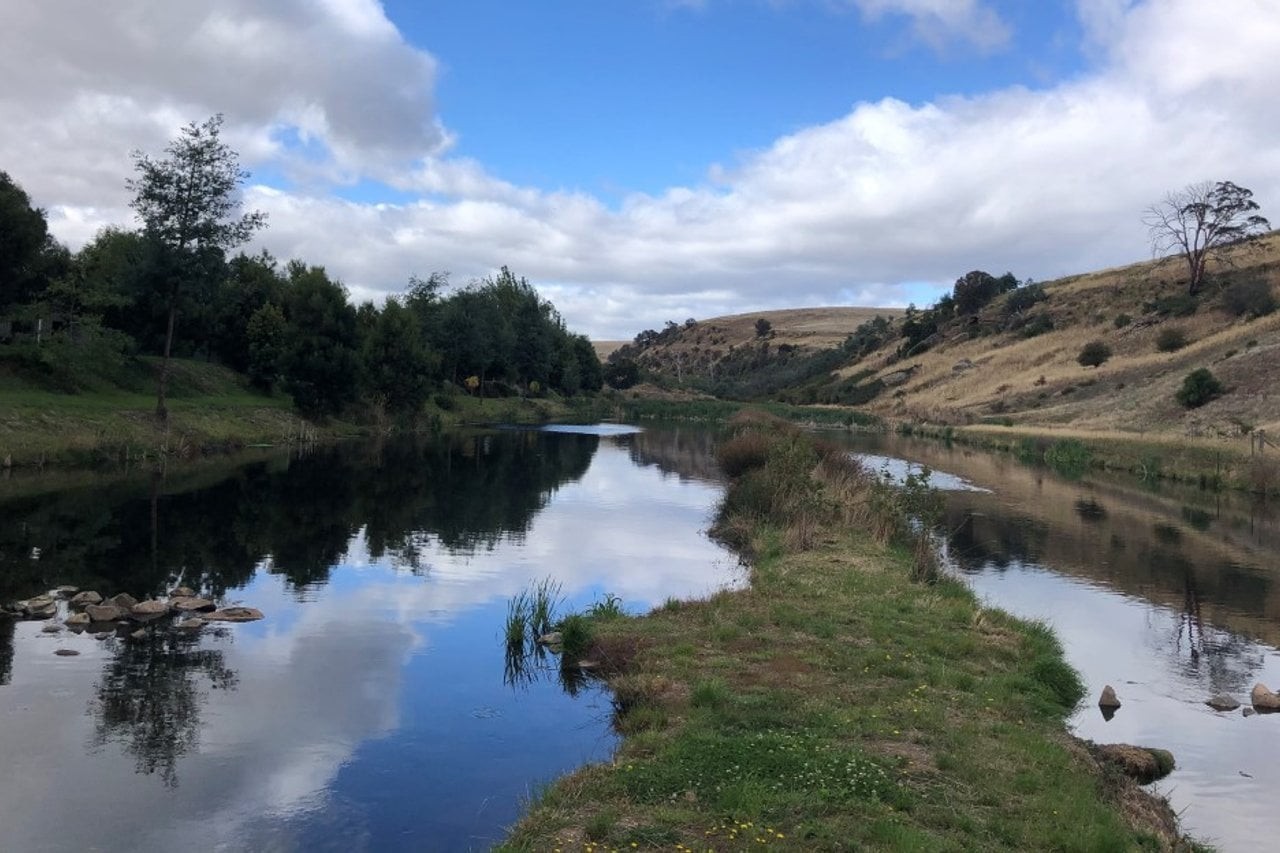
Antibiotic residues from a Huon Aquaculture hatchery were detected in the Derwent River, sediment and wild fish earlier this year, an interim monitoring report has confirmed.
The report was prepared for Huon by consultants Marine Solutions and released by the Environment Protection Authority (EPA) in June.
It tracked residues of oxytetracycline, an antibiotic used to treat fish at the Meadowbank hatchery, downstream of Meadowbank Dam.
Huon treated the fish in January and February after a temperature spike stressed them and triggered bacterial enteritis.
The antibiotic was administered across two staged treatments. The first used 38.28 kilograms and the second 13.42 kilograms, a combined total of about 51.7 kilograms.
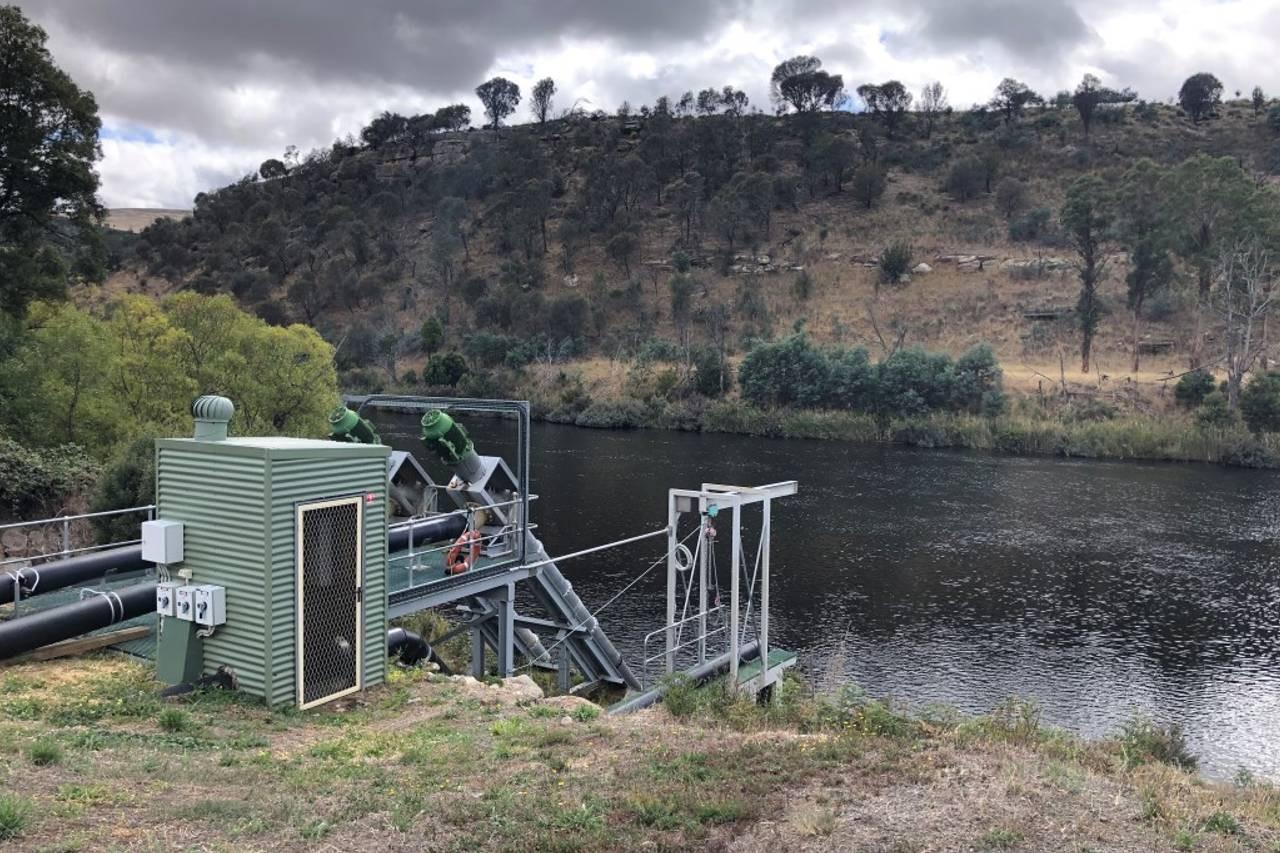
The highest residue levels were found on site, in the hatchery’s sludge tank and settling pond, rather than in the open river.
In the sludge tank, sediment readings peaked at 1,800mg/kg and remained above the reporting limit through to the last sample in the report, taken in May.
In the river itself, residues were lower and short-lived, according to the report.
The upstream Derwent site returned results below the reporting limit on every occasion, as did the far-downstream river site in every water sample.
Residues in wild fish were detected above the reporting limit in just three samples, all from short-finned eels.
Independent MLC Meg Webb said the report raised further questions about the regulatory system for fish farms in freshwater.
She said mandatory reporting of fish deaths and antibiotic use in freshwater hatcheries was still not required under companies’ environmental licences.
Labor MP Janie Finlay said the industry was highly regulated and that reporting was required.
She said what mattered was “the reporting that is tested and understood and shared in the appropriate time”.
Minister Jo Palmer said questions about monitoring and disclosure were a matter for the EPA.
She said “the whole point of having it as an independent body is that it is independent from government”.
The EPA has listed the sediment monitoring as ongoing.