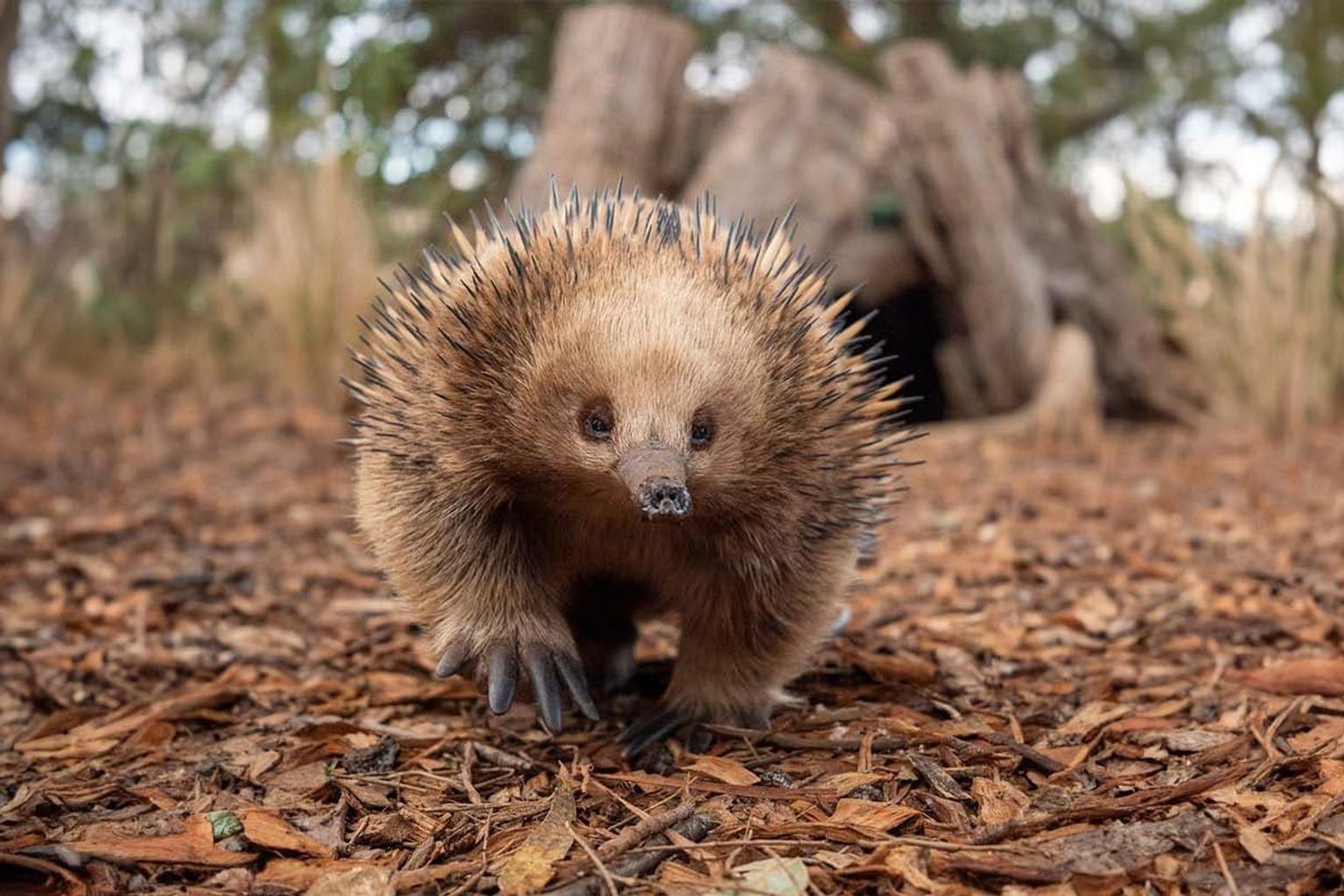
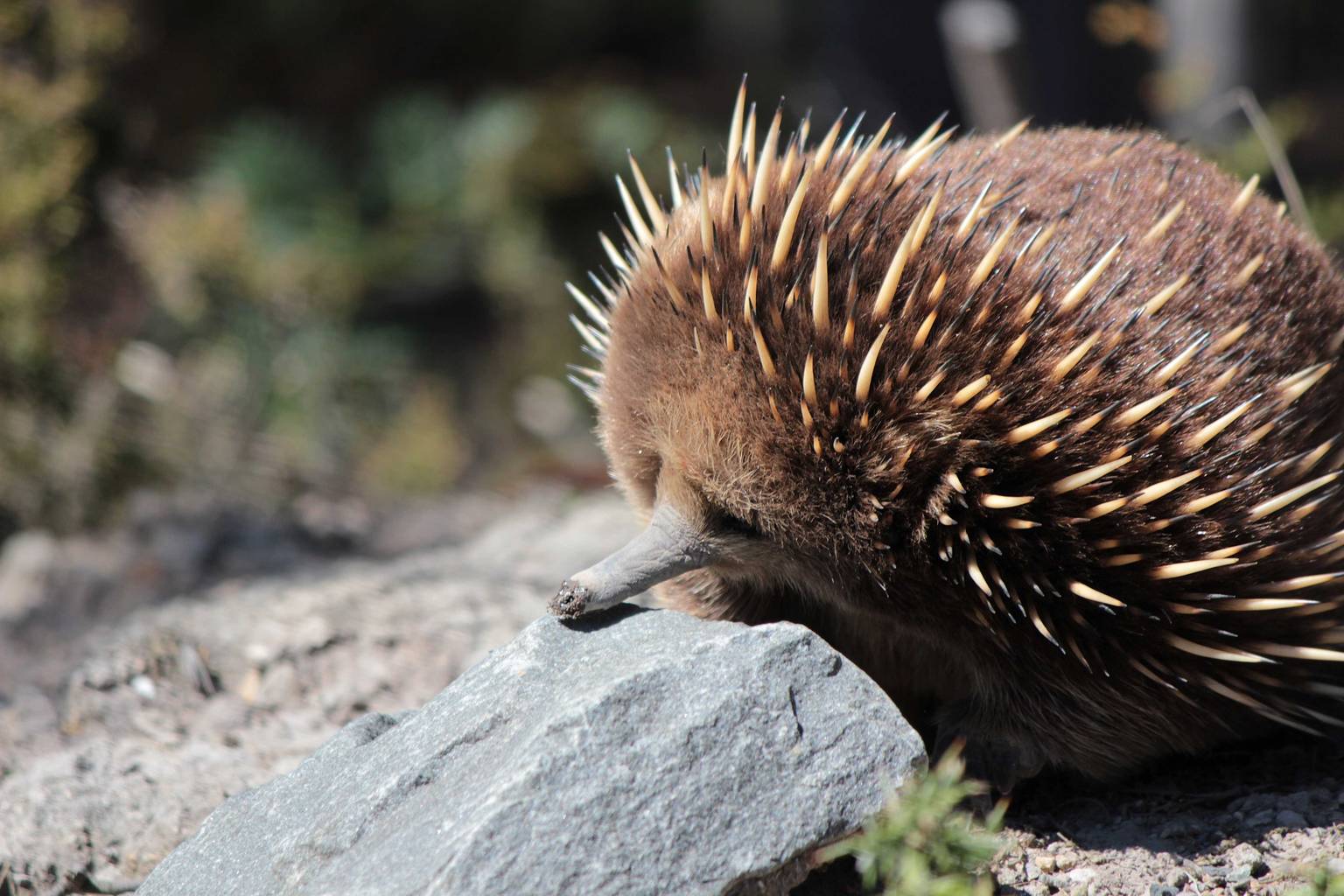
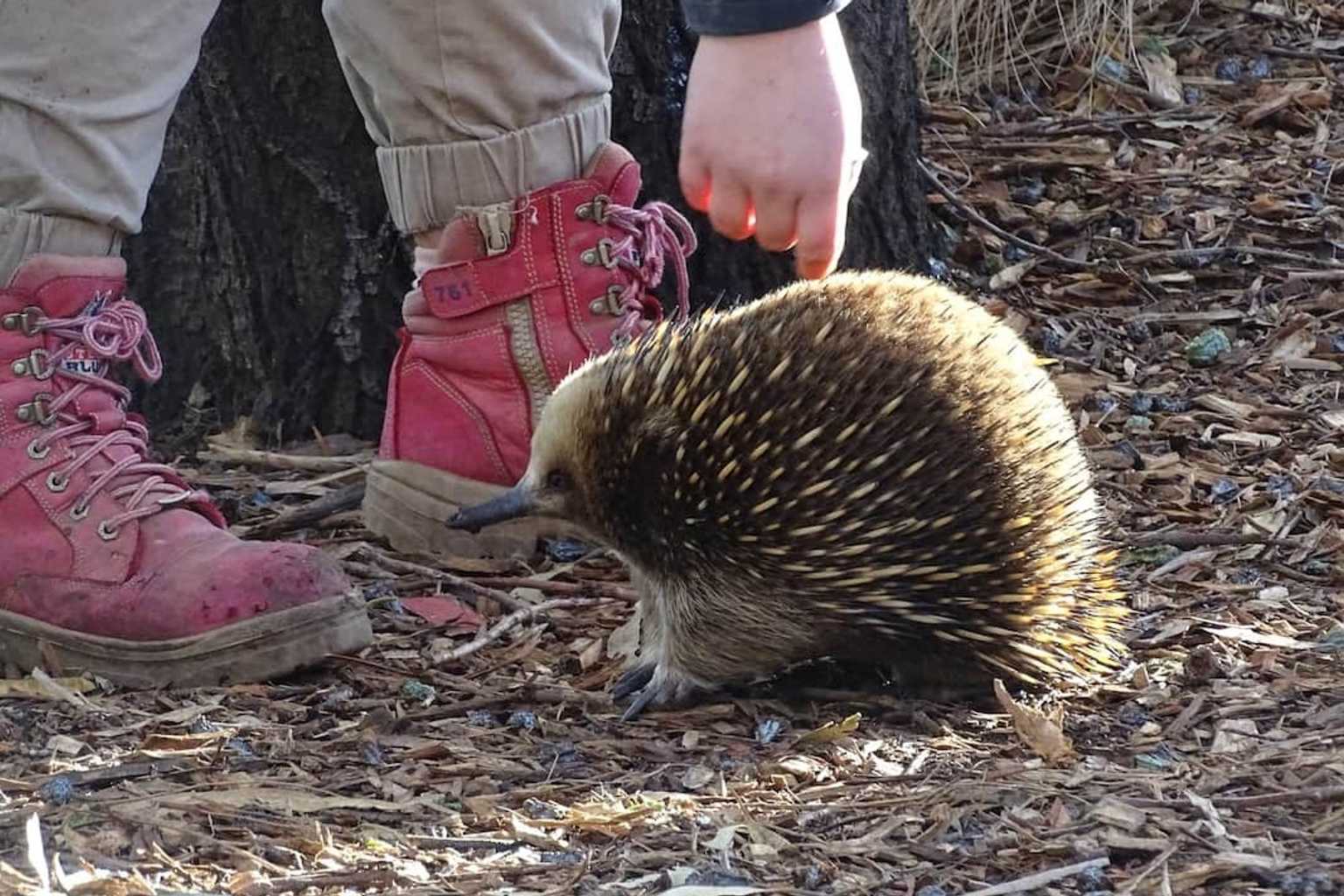
A Tasmanian echidna is so different from its mainland relatives that a University of Tasmania researcher initially wondered whether they might be separate species.
Associate Professor Stewart Nicol from the School of Natural Sciences has published a new review challenging long-held assumptions that echidnas across Australia are essentially the same animal.
After leading a long-term study of Tasmanian echidnas, Nicol found they stood apart from the other four recognised regional types in diet, breeding, behaviour and body function.
“What’s true for a Tasmanian echidna is not necessarily true for one in the Queensland rainforest or the Western Australian desert,” he said.
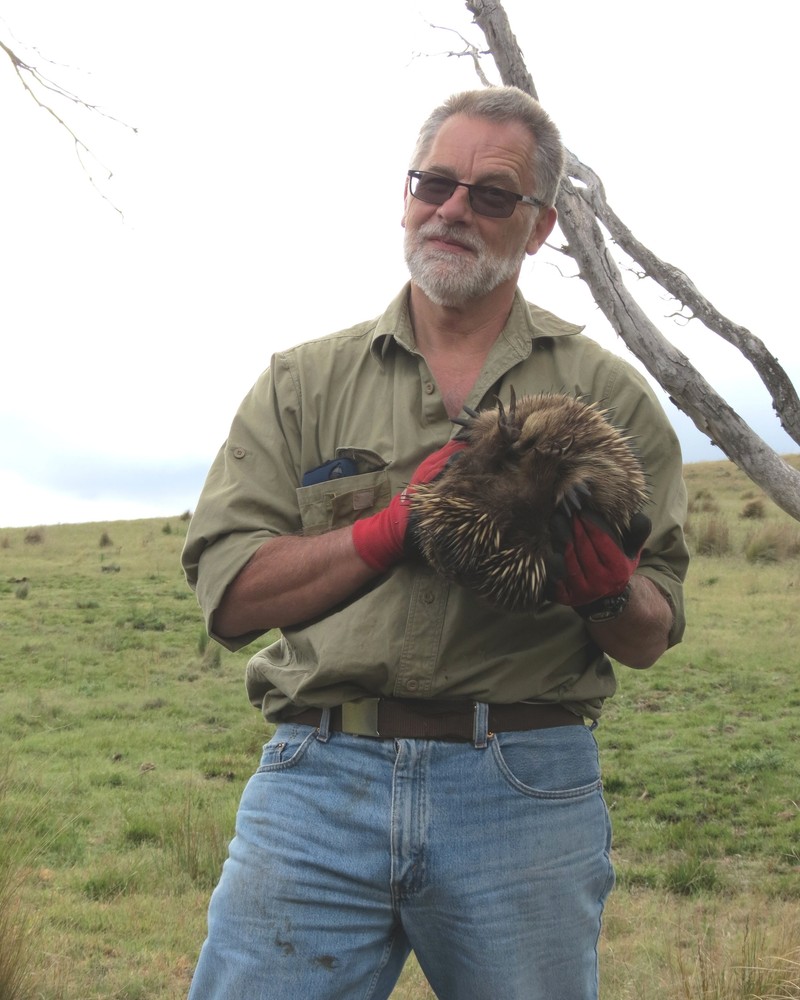
He said in Tasmania, echidnas enter true hibernation in autumn, with body temperatures dropping for months at a time.
In desert areas, they experience only brief periods of reduced activity.
Breeding patterns also differ sharply.
Tasmanian mothers wean their young on rich, high-fat milk in as little as 130 days.
On Kangaroo Island, the same process can take up to 210 days, with noticeably lower-fat milk.
Even beak shape varies, with southern echidnas carrying longer, flatter beaks suited to probing deep into soil for pasture grubs.
Nicol said the differences likely stem from echidnas arriving in Australia from New Guinea during an ice age, when lower sea levels allowed movement across land, then spreading rapidly into very different environments.
“Echidnas essentially colonised an entire continent and reshaped themselves to suit every corner of it,” he said.
“In geological terms, it happened almost overnight and happened too quickly to be seen in the genetic studies carried out so far.”
He said the findings carry practical weight for Tasmania.
Zoos, wildlife carers and conservation managers may be relying on general guidelines that only apply to one regional form of echidna and not to the Tasmanian population.
Nicol, who has spent more than 40 years studying echidnas, is calling for a comprehensive genetic study across Australia and said big gaps remain.
“We now have a lot of information about the most southerly echidnas, but very little has been done with the echidnas in the tropics,” he said.