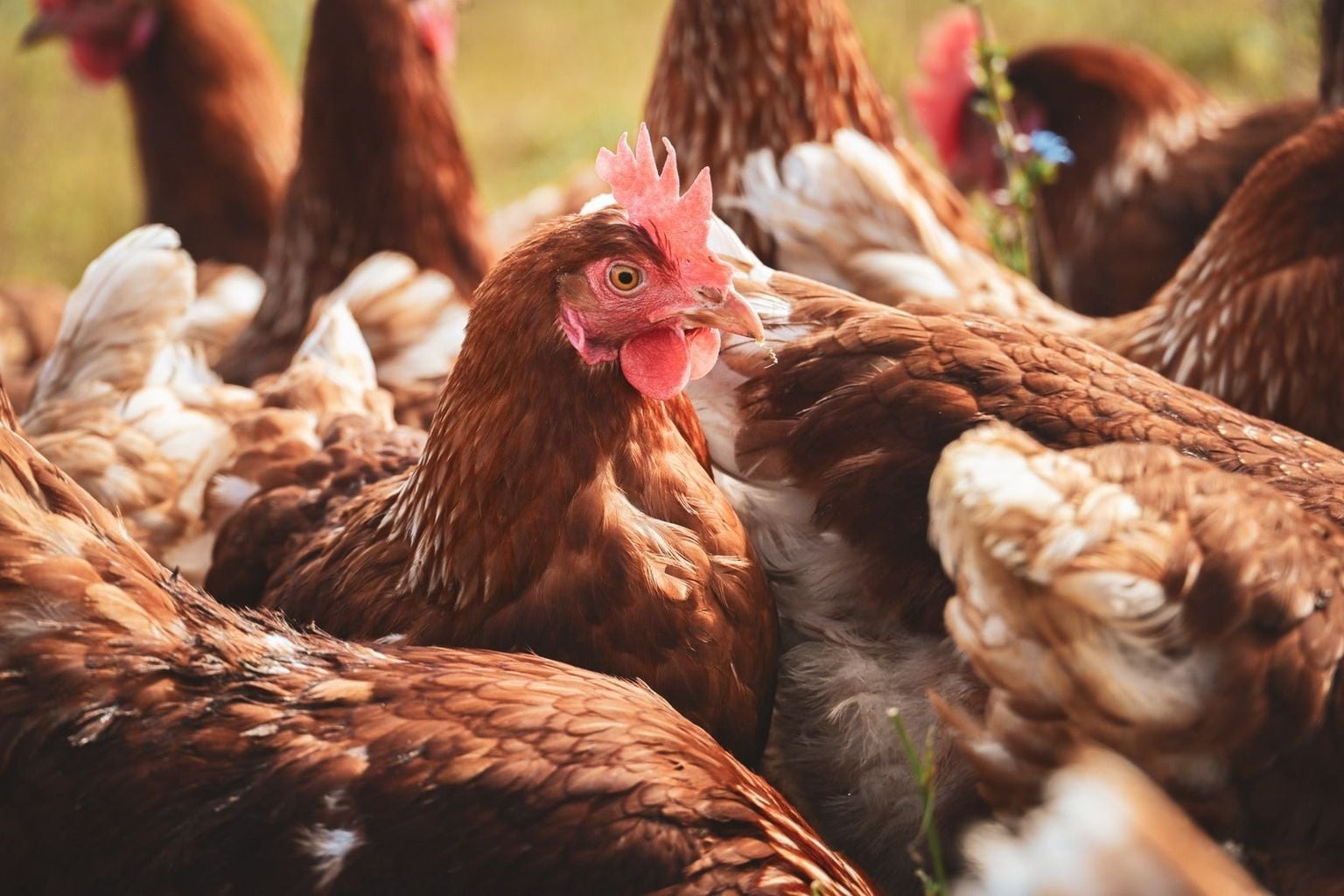
Tasmania is bracing for the arrival of H5 bird flu after the number of confirmed cases across Australia climbed to 74.
Federal Agriculture Minister Julie Collins confirmed the latest figures today, revealing cases in Western Australia, South Australia, New South Wales, Victoria and Queensland.
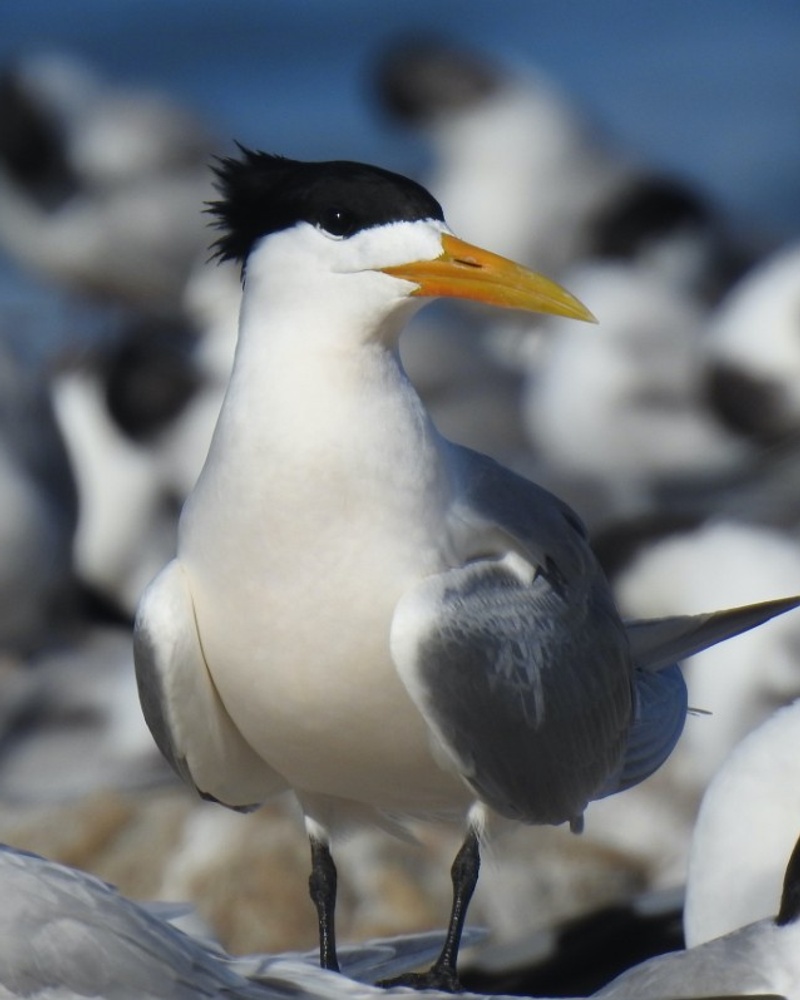
A mass mortality event involving greater crested terns at Baudin Rocks off Cape Jaffa in South Australia has also been confirmed.
“Australians should expect to see more spread and larger numbers now of wildlife being affected,” Collins said.
In Tasmania, Chief Veterinary Officer Deborah McSweyn said there was no evidence of H5 bird flu in the state, but the risk was increasing.
“It is not possible to prevent it from coming to Tasmania as it will be carried here in wild birds,” McSweyn said.
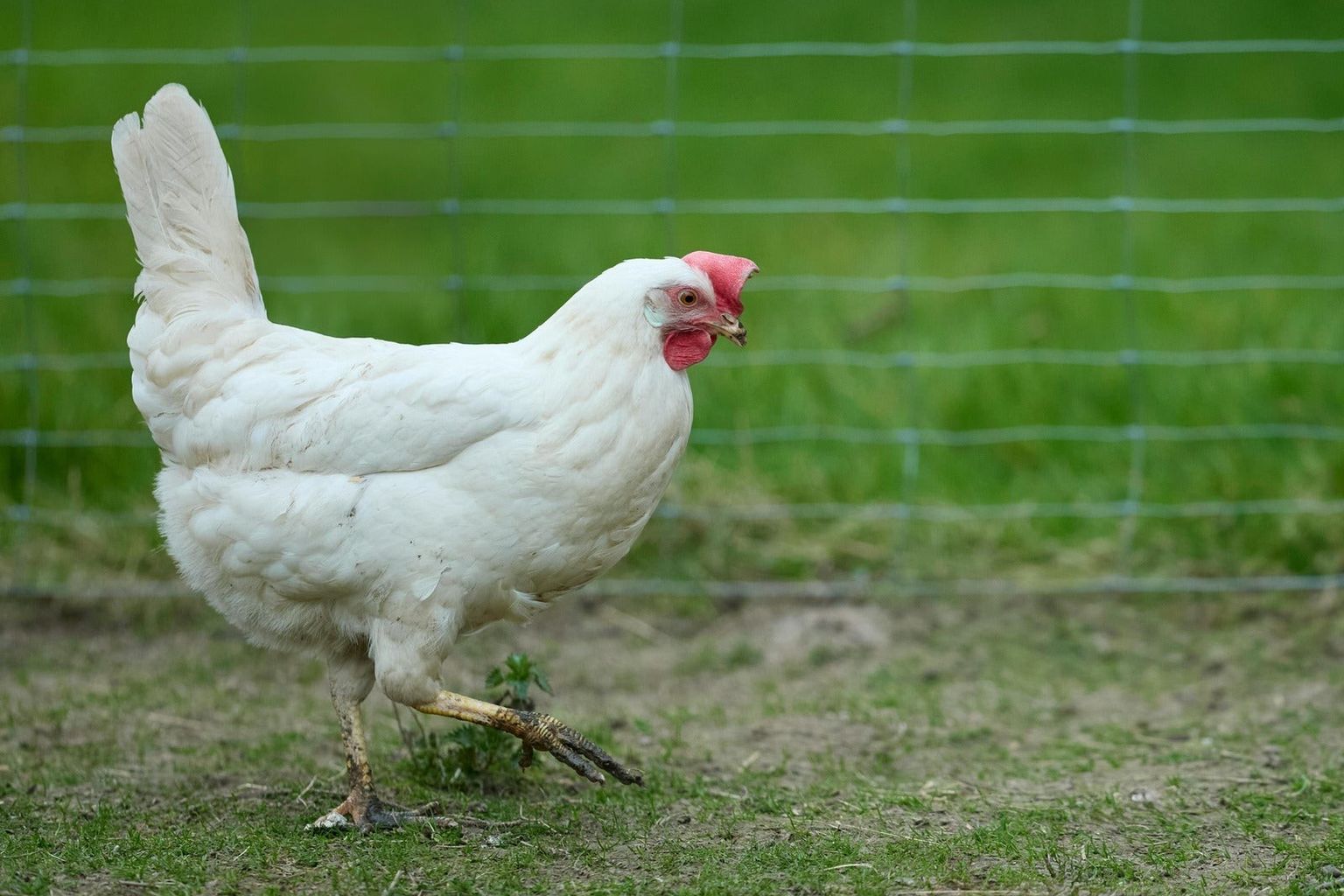
She urged poultry owners to keep their birds separated from wild birds, protect feed and water sources from contamination and report any signs of illness immediately.
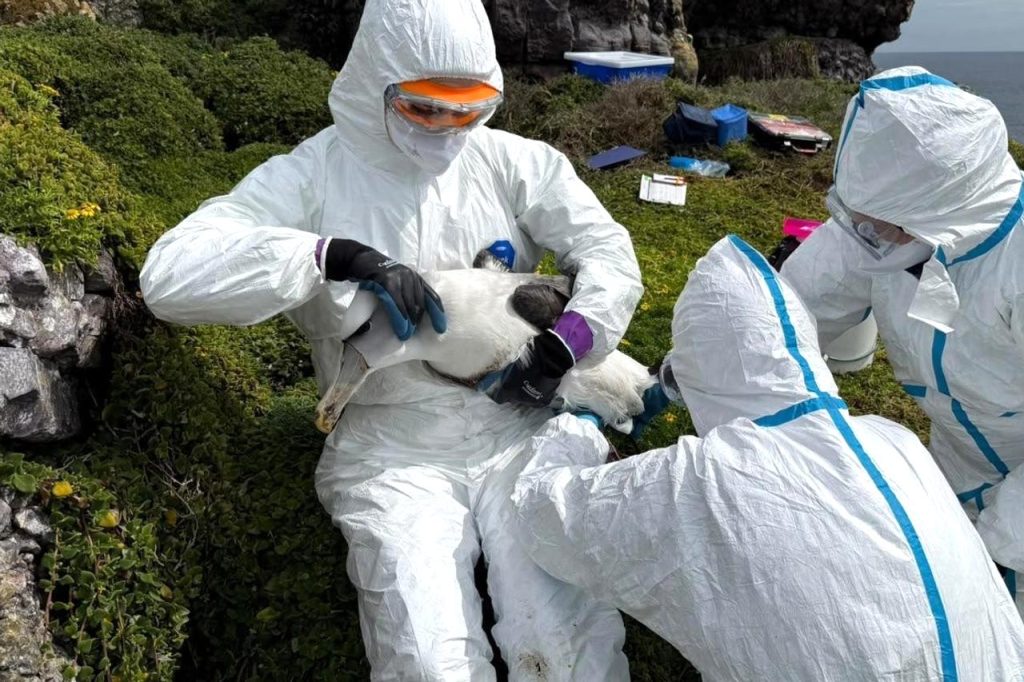
“Unfortunately, sick birds and wildlife will rarely recover from H5 bird flu infection which is why it is so important to avoid contact; record what you see and report signs of H5 bird flu to help protect our wildlife, agriculture and the community,” she said.
Primary Industries Minister Gavin Pearce said Tasmania continued to work closely with commercial poultry producers, veterinarians, wildlife carers and local councils.
“We remain alert, but not alarmed,” Pearce said.
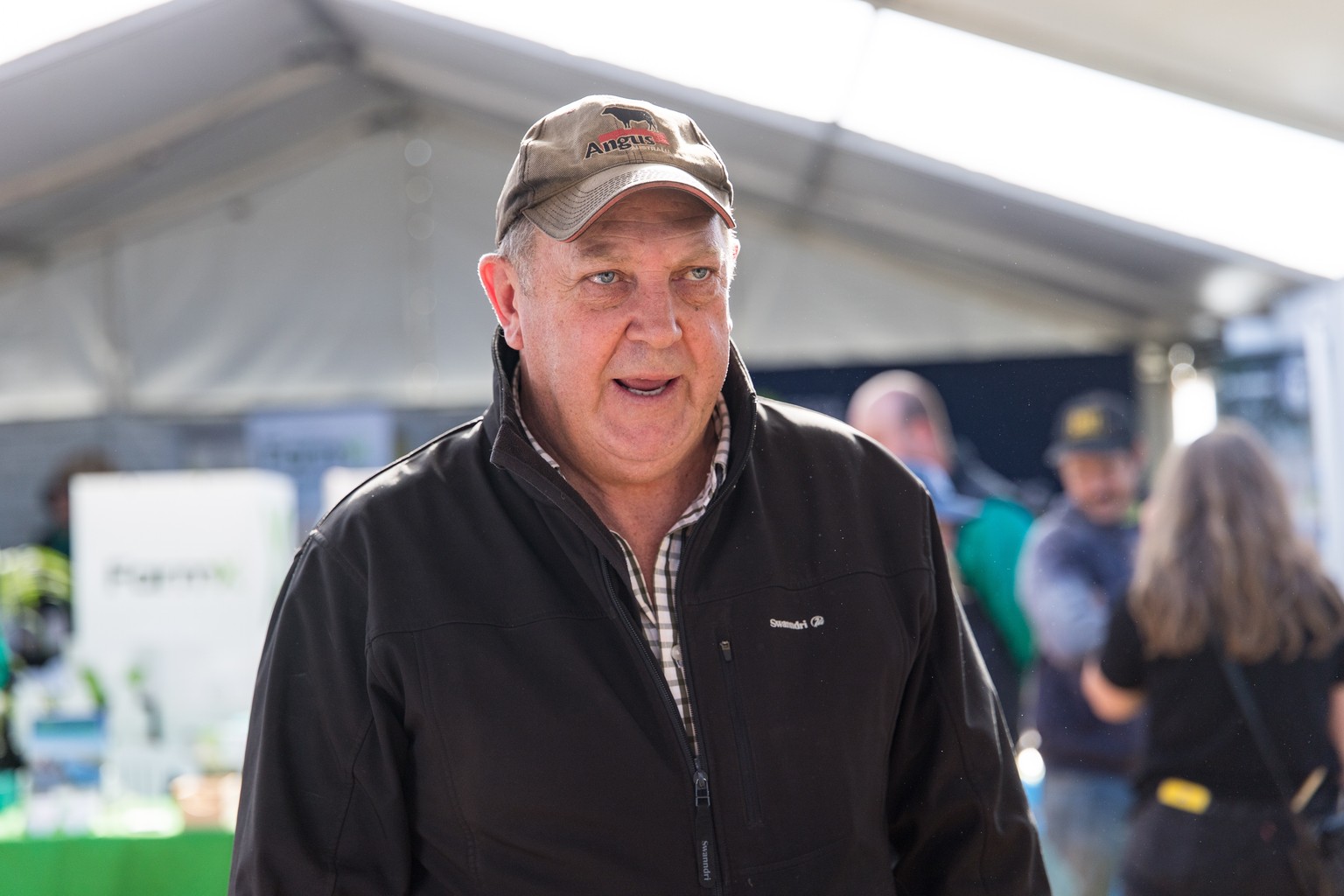
Collins said there was no evidence of the disease in Australia’s poultry or agriculture systems and the risk to human health remained low.
More than $137 million in combined federal and state funding has been committed to preparedness and response efforts nationally.
Federal Environment Minister Murray Watt described the situation as “the beginning of what is likely to be a long, difficult journey in terms of the impacts on wildlife.”
Tasmanians who see sick or dead birds or wildlife should avoid contact, record what they see and call the Emergency Animal Disease hotline on 1800 675 888.