The Tasmanian government has substantially scaled back its flagship TasInsure policy, abandoning plans for a state-owned insurance company in favour of a statutory authority that will work with the existing market rather than compete in it.
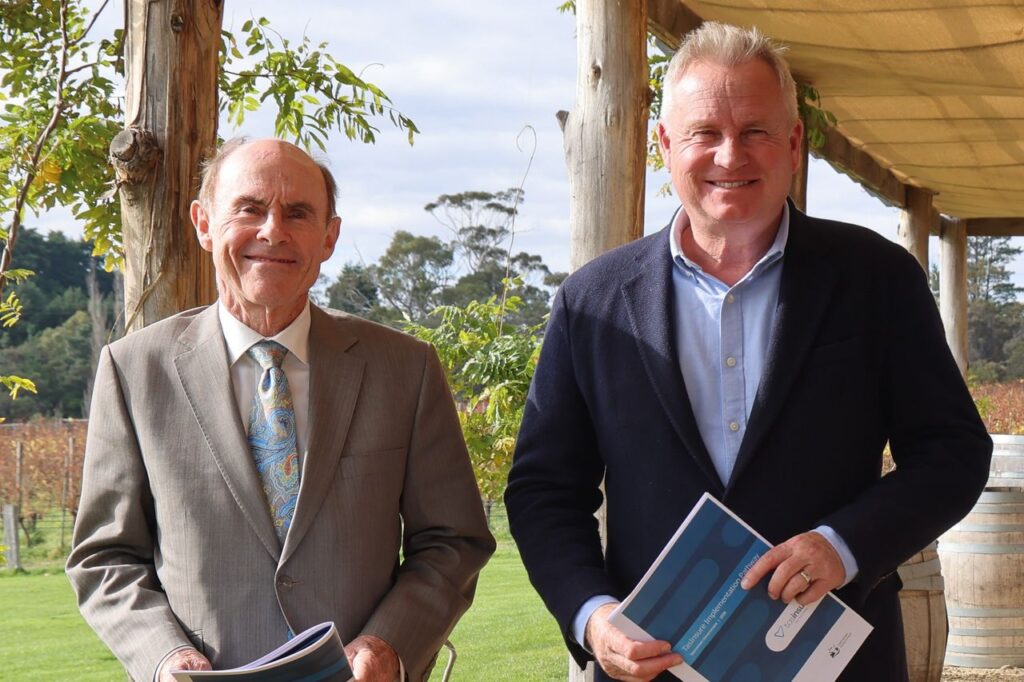
Premier Jeremy Rockliff released the detailed implementation blueprint on Thursday, alongside an independent expert assessment that backed the broader approach but warned against trying to take on established insurers.
The government has put the implementation cost at $4.2 million, with Rockliff saying TasInsure would run with “a relatively minimal net cost” once established.
The original policy, the Liberals’ flagship pitch at the 2025 snap election, promised affordable cover for home, contents, small business, community groups, events and regional insurance, with families and small businesses told they would save $250 a year.
Neither the full suite of products nor the $250 savings figure appears in the implementation plan released on Thursday.
Asked whether it was a broken promise, Rockliff said the government could “better our commitments” through the new approach.
The government has also dropped an earlier proposal to draw $50 million from the Motor Accidents Insurance Board (MAIB) to support TasInsure, a plan that drew concern in public consultation.
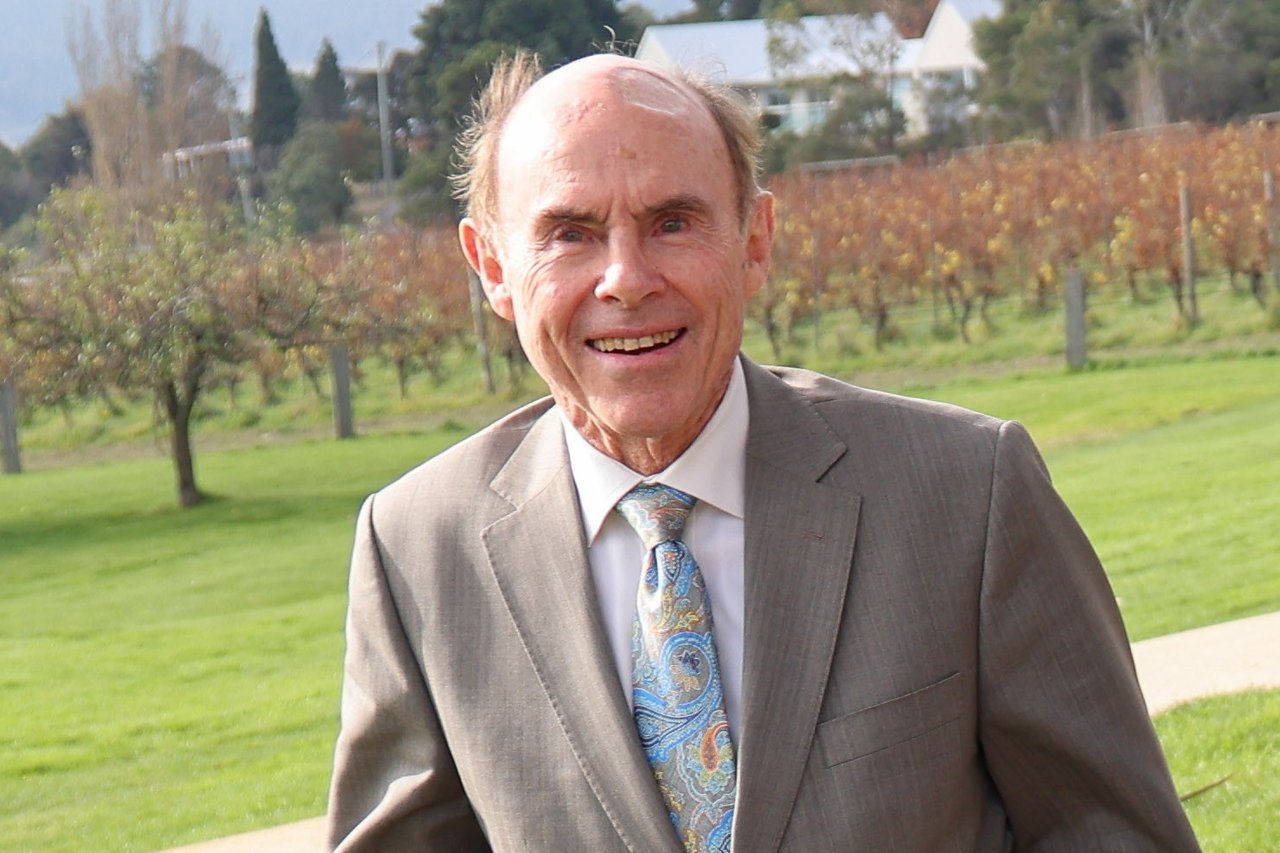
Rockliff said the work done by expert John Trowbridge meant MAIB support was no longer needed.
Legislation to formally establish TasInsure as a not-for-profit statutory authority will be a priority, Rockliff said.
“TasInsure will step in where the market fails and will focus on long term affordability by addressing risk, prevention, resilience and increasing competition,” Rockliff said.
The body is the government’s response to rising insurance costs that have hit households, small businesses, tourism operators and community groups hard.
Many say cover has become unaffordable or in some cases impossible to find.
The plan draws heavily on a strategic assessment delivered to Treasury in February by Trowbridge, a leading insurance expert.
Trowbridge found no quick fix for Tasmania’s insurance problems.

“There is no single solution or ‘silver bullet’ in this quest for more favourable insurance outcomes for Tasmanians,” Trowbridge wrote.
He warned against any attempt to compete with established insurers and recommended targeted interventions in areas where the market was clearly failing.
His four key recommendations were a designated risks pool for hard-to-place cover such as adventure tourism and community events and a feasibility study on a reinsurance pool for bushfires and floods.
He also recommended advisory services for small businesses and a comparison service for home and motor insurance.
The state government has adopted all four.
TasInsure will operate through three divisions covering market interventions, consumer support and risk assessment and mitigation.
Its boldest pitch is tying risk reduction work directly to what people pay for insurance — covering households, councils, the state and the Commonwealth.
The implementation pathway says no other Australian state has tried this.

Trowbridge put the cost of a designated risks pool at under $10 million a year in government subsidies.
He was more wary of the reinsurance pool. He said it would leave the state on the hook for future bushfires and floods and “must be designed with great care”.
The shift to a partnership model has softened earlier industry opposition.
RACT and the national body representing insurers had previously criticised the original TasInsure as the wrong solution to rising insurance costs.
RACT, Tasmania’s only local insurer, would have been a major competitor under the original plan.
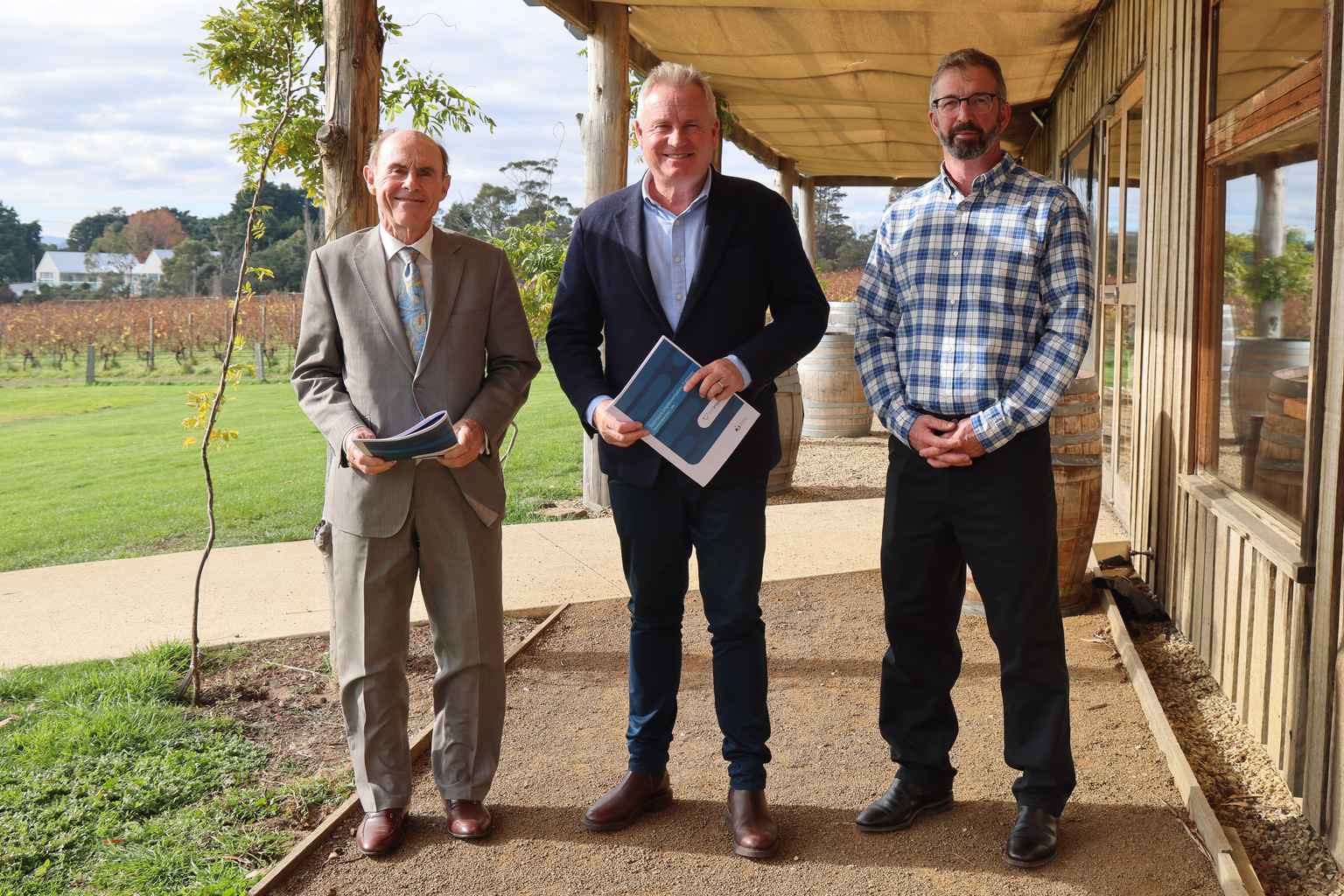
On Thursday, RACT chief executive Mark Mugnaioni broadly welcomed the announcement.
“It is pleasing to see the Tasmanian government’s recognition of the critical link between making communities more resilient and keeping insurance affordable and accessible,” Mugnaioni said.
Mugnaioni said it was encouraging that the state government had taken a partnership-first approach.
He cited internal research showing 76% of RACT members believed more needed to be done to protect communities from natural disasters.
Labor MP and shadow treasurer Dean Winter said the change was a “massive broken promise”.
“Premier Rockliff has committed insurance fraud on every single Tasmanian,” he said.
“TasInsure was sold to Tasmanians as cost-of-living relief. Now it has been watered down into another bureaucracy, with no savings, no cheaper policy and no explanation of how Tasmanians will be better off.”
“Premier Rockliff made a promise he could not keep, claimed it was backed by modelling that did not exist and now wants Tasmanians to pretend none of it happened.”
The Greens accused the state government of running a “cruel hoax” on Tasmanians at the election.
“Their flagship election policy didn’t even last a year before they had to kill it themselves,” treasury spokesperson Vica Bayley said.
“The promise they made to Tasmanians at the election was nothing more than a cruel hoax that was cynically designed to distract from the stadium.”
The first phase of TasInsure rolls out in 2026-27, starting with the designated risks pool and face-to-face advisory services for community groups and small businesses.