Tasmania’s trend unemployment rate has held at 5.2%, the highest in the country, with the state also recording the nation’s lowest participation rate and employment-to-population ratio.
Australian Bureau of Statistics trend data released this week shows Tasmania’s participation rate was 60.2% in September, while its employment-to-population ratio slipped 0.1 points to 57.1%.
The national trend unemployment rate held at 4.6%.
In seasonally adjusted terms, Tasmania’s unemployment rate was 5.0%, just below Victoria’s 5.1%.
Tasmanian employment fell 0.7% in September, the second-largest monthly fall after New South Wales.
The state’s seasonally adjusted participation rate fell 0.5 points to 59.7%.
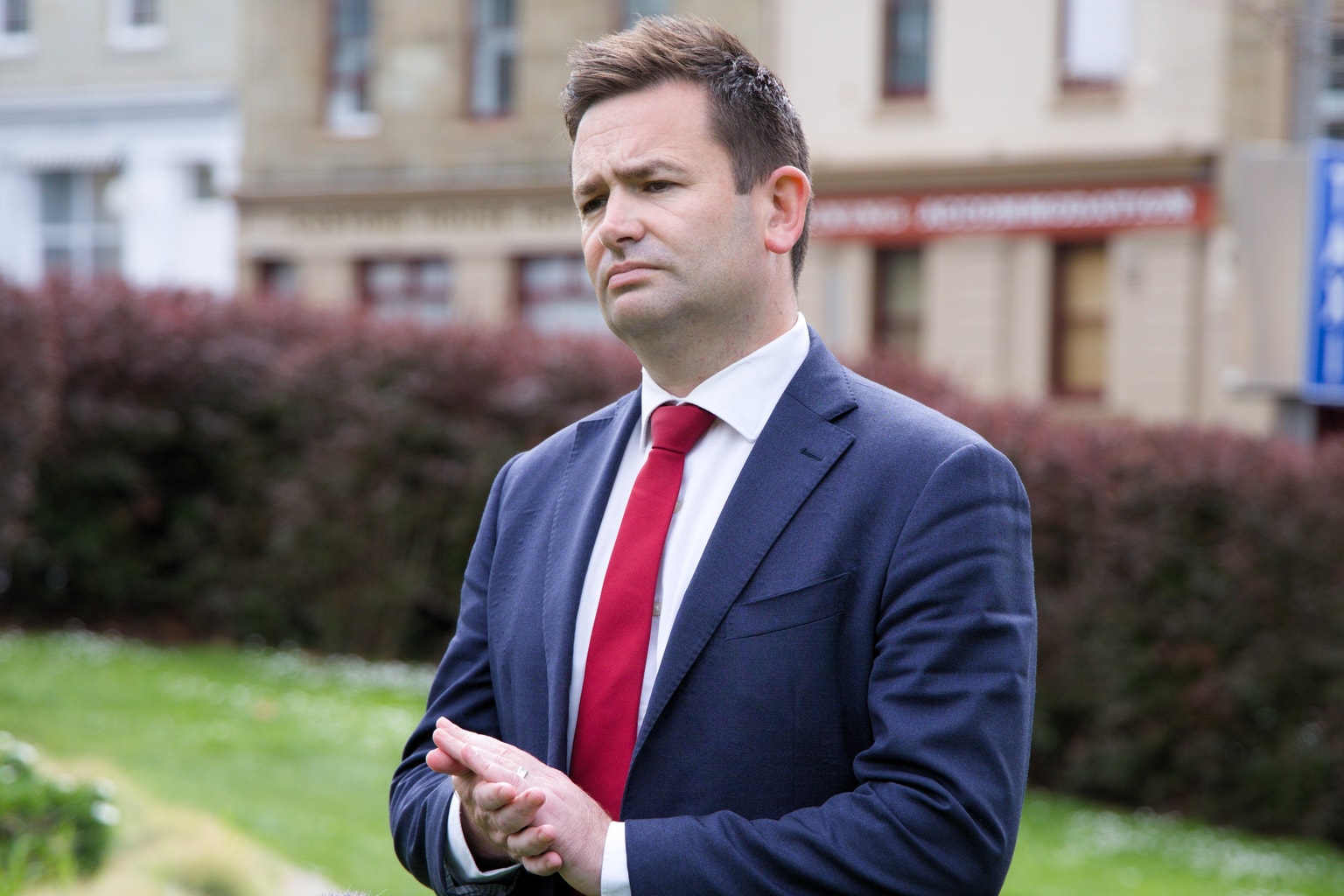
Labor MP and shadow treasurer Dean Winter said almost 7,000 jobs had been lost since the government was formed last August.
He described the state as being in the midst of “the most severe job losses since the global financial crisis”.
“Tasmania is now firmly at the bottom of the pile for every major employment marker,” he said.
Winter accused Premier Jeremy Rockliff of handing Treasurer Eric Abetz “the knife to cut the services Tasmanians rely on and sack 1,700 workers”.
Rockliff said last month the government planned to reduce the 37,000-strong public service by about 1,800 people over five years.
He said vacant positions would be targeted first, followed by redeployment and then voluntary redundancies.
“After 13 years, the Liberals have left Tasmania with the worst-performing economy in the country, rising unemployment, spiralling debt and a downgraded credit rating,” he said.
In a statement, Abetz said the economy remained “resilient despite global economic challenges arising from higher interest rates and rising fuel prices”.
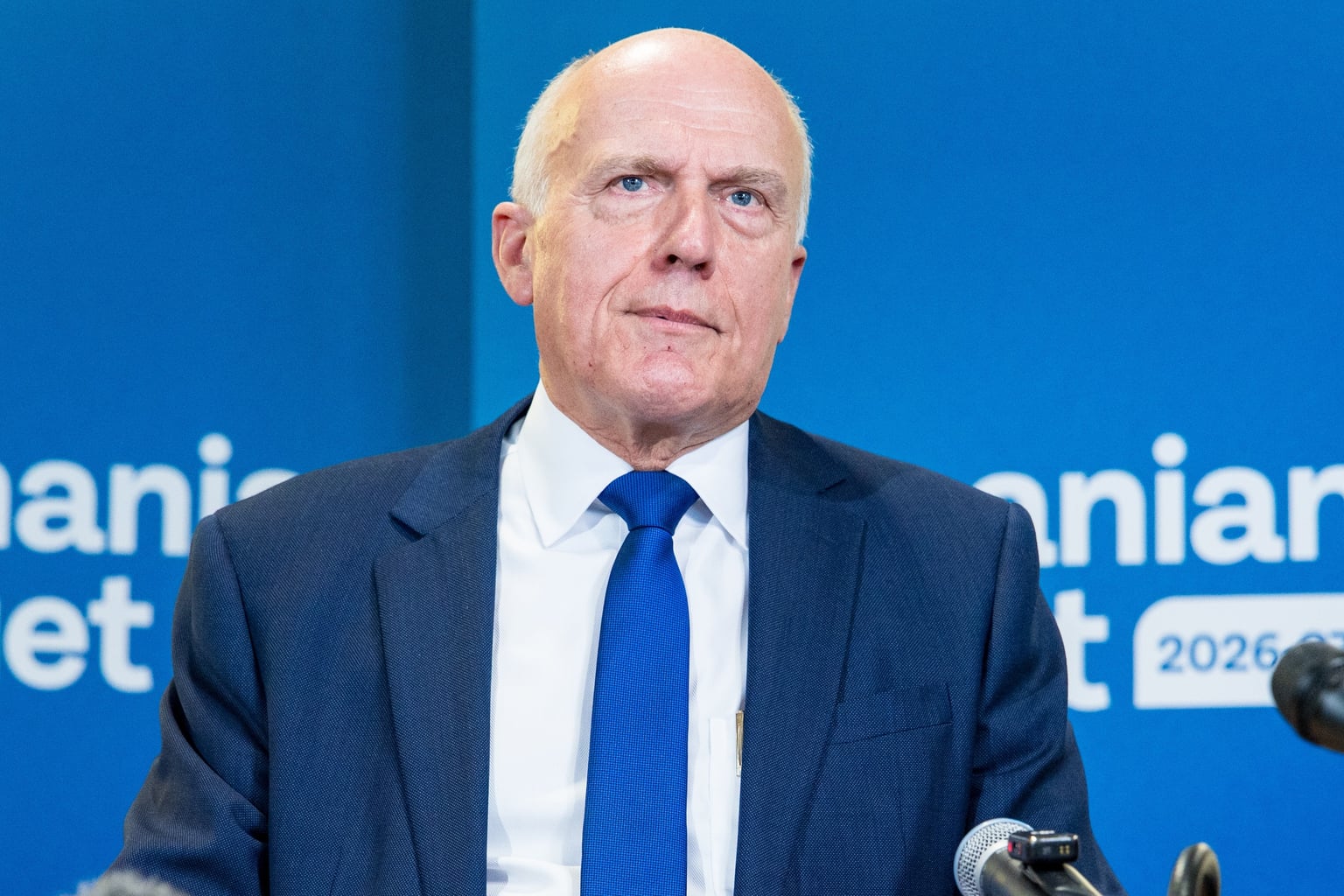
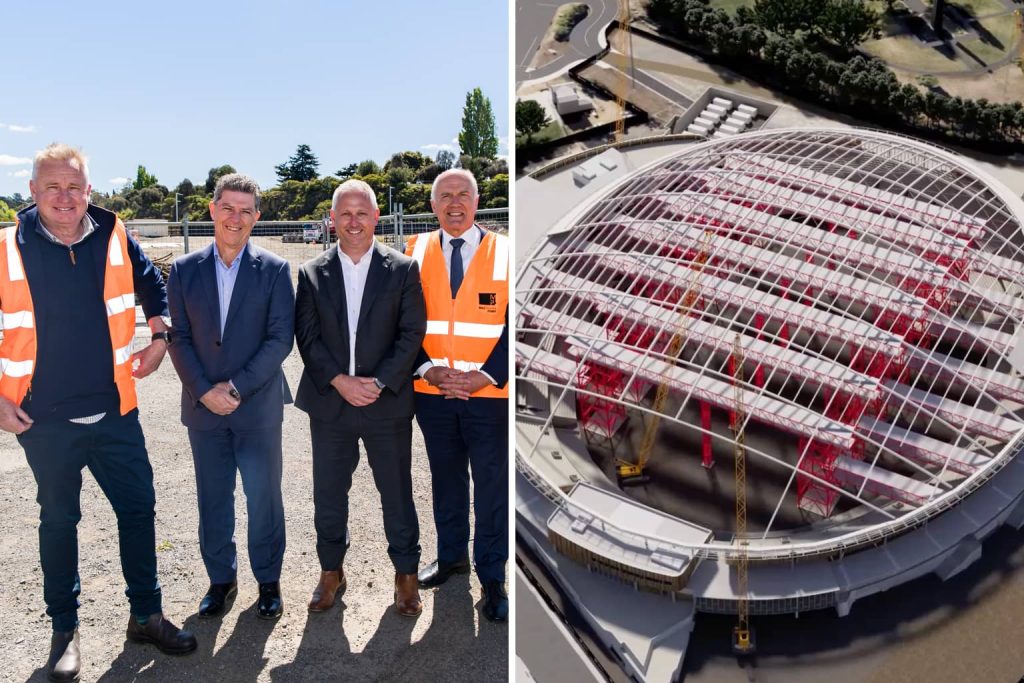
He pointed to major projects underway at Mt Lyell, Savage River and Macquarie Point.
“Nation-leading business conditions, record exports and major upcoming projects … demonstrate why Tasmanian businesses are the most confident in the nation,” he said.
He accused Labor of “trumpeting its anti-investment, anti-jobs mantra”.
“When Labor was last in government, the unemployment rate had a seven in front of it,” Abetz said.
“Since then, we have created more than 45,000 jobs and continue to support private investment and job-creating projects.”