No new bird flu cases were recorded in Tasmania overnight, leaving the state’s total confirmed detections at 10.
The Department of Natural Resources and Environment Tasmania reported the unchanged figure on this morning.
Seven of the 10 confirmed cases are on King Island and three are on the north-west coast.
Incident controller Wes Ford said the focus remains on staying ahead of the virus.

“Tasmania’s focus remains on early detection, strong surveillance and rapid response,” he said.
“At this point, there is still no evidence of mass mortalities and there is still no detection in Tasmanian poultry.”

Ford said chicken and eggs remain safe to eat.
The total rose to 10 on Monday after four more birds from King Island tested positive.
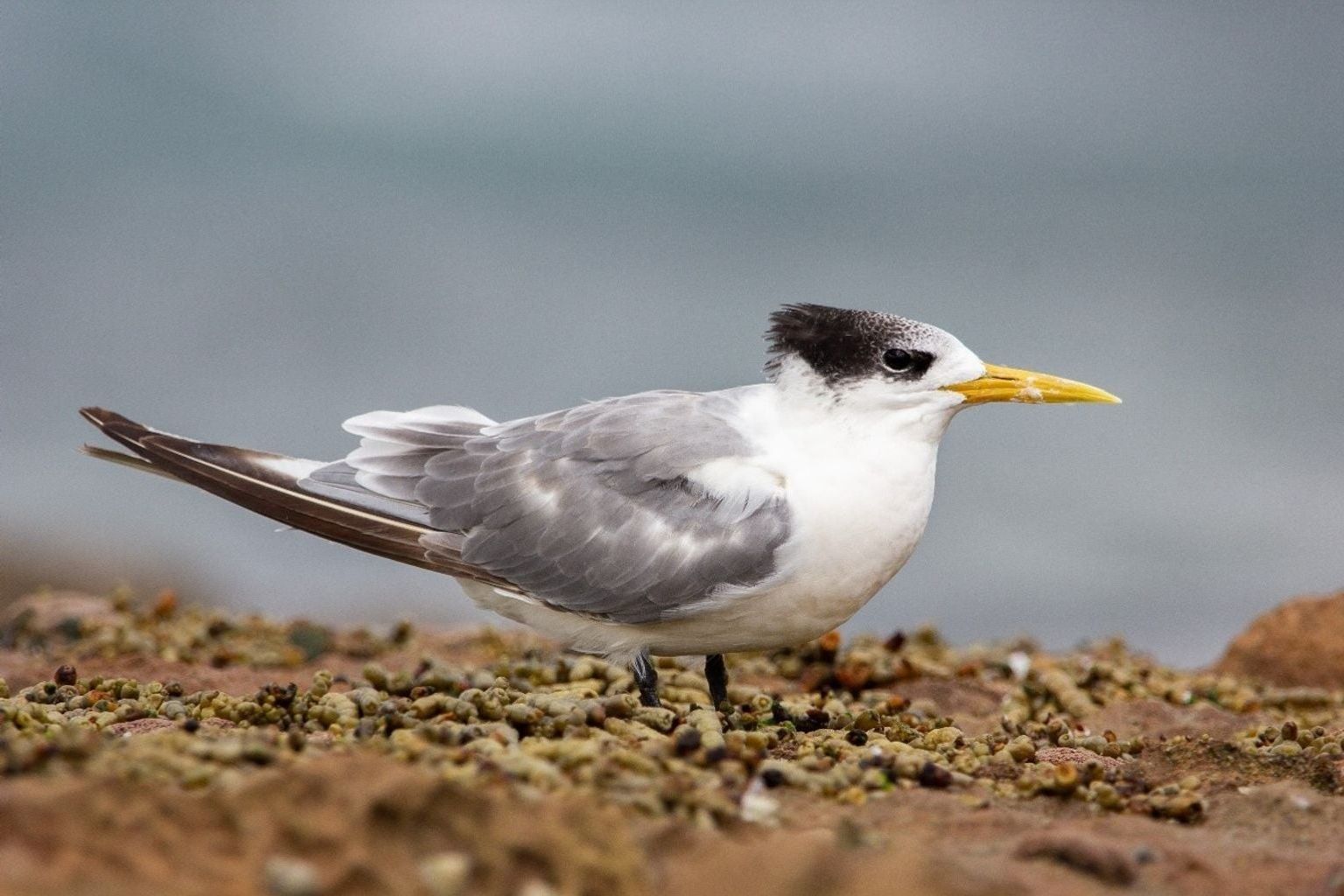
Two crested terns and two silver gulls were found at three locations on beaches and bays around Currie.
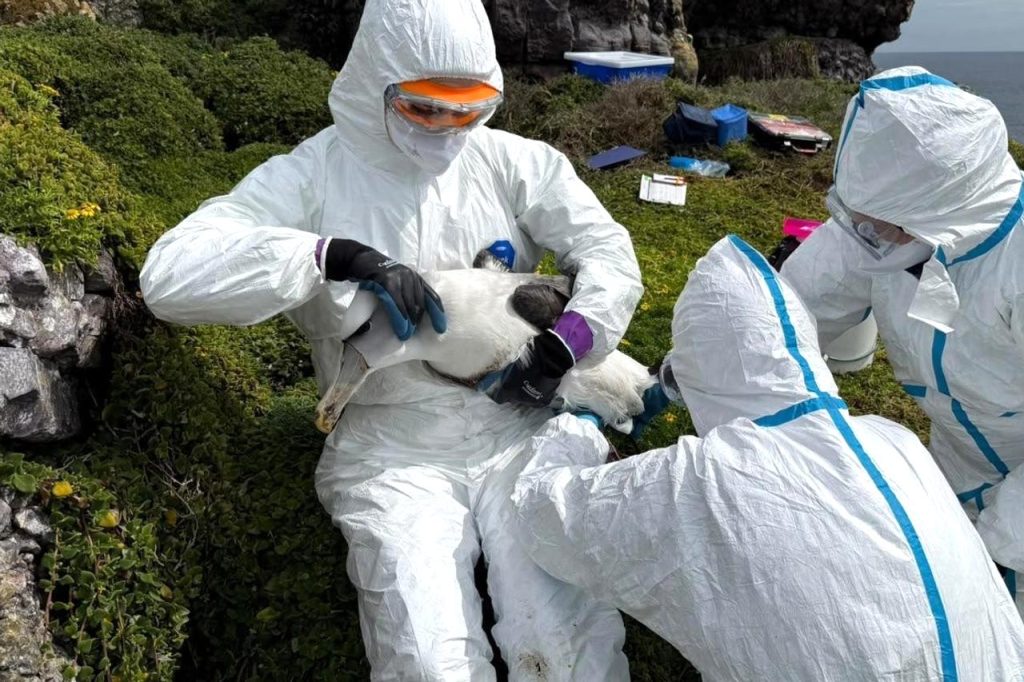
The dead birds were reported to the Emergency Animal Disease Hotline on Sunday and recovered by a surveillance team.
Samples were tested at the Animal Health Laboratories at Mount Pleasant and will be sent to the Australian Centre for Disease Preparedness in Geelong for confirmation testing and sequencing.
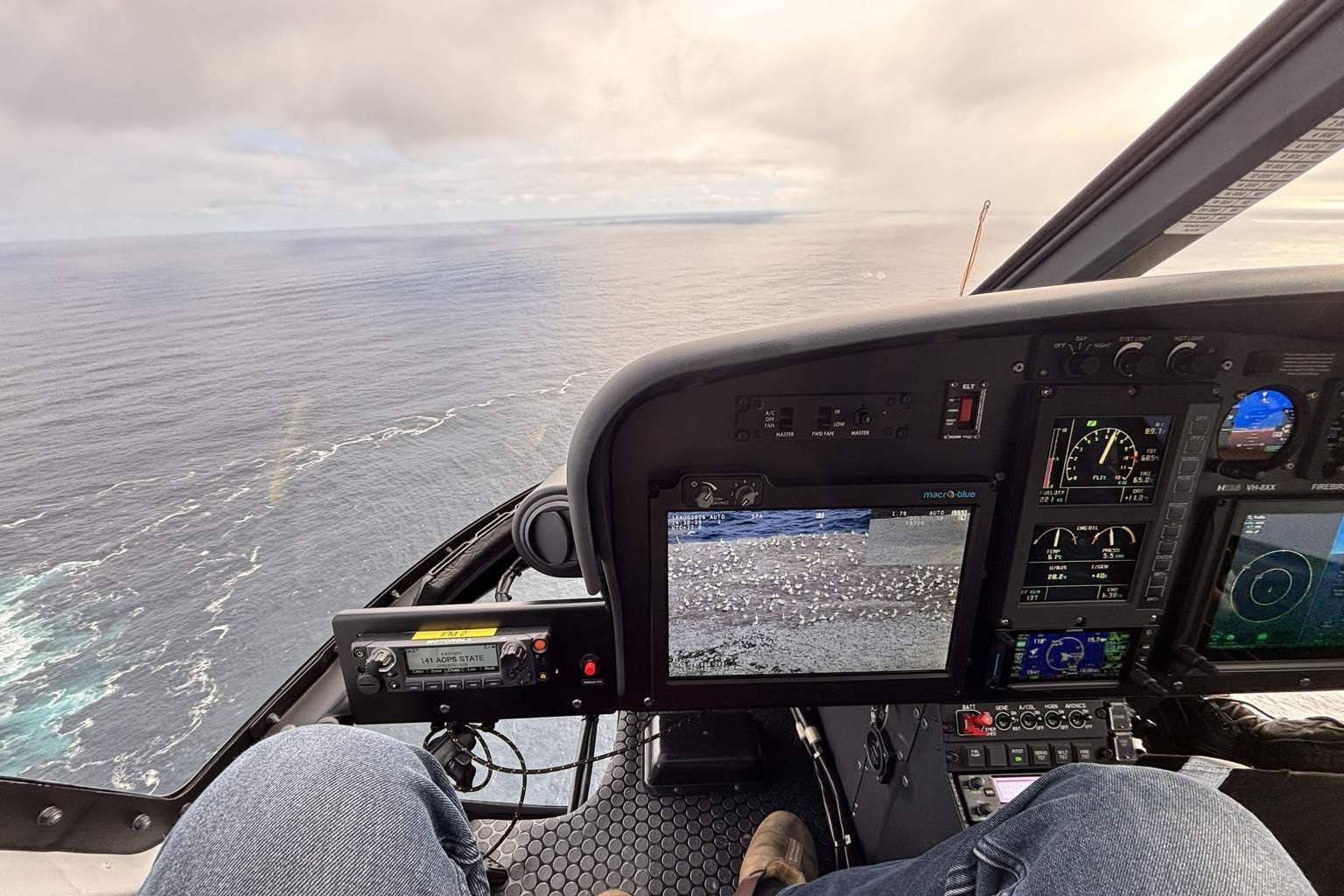
Around 760 kilometres of the north-west coastline was inspected over the weekend, with no mass die-offs or obvious signs of bird flu found by crews.
Ford urged pet owners to play their part in the response.
“Some domestic animals, including dogs and cats, can be affected with bird flu through close contact with sick or dead wildlife, body fluids or contaminated environments,” he said.
Dog owners are encouraged to keep their pets on leads and prevent them from investigating or scavenging dead birds or animal carcasses.
“Dogs that smell or eat dead birds could transmit the virus to backyard poultry,” Ford said.
Cat owners are also urged to keep their cats contained to reduce the risk of catching the disease and bringing it home.
The 10 positive detections recorded between August 12 and 16 include crested terns, silver gulls and a brown skua found at Currie, Burnie, Sulphur Creek and Rocky Cape.
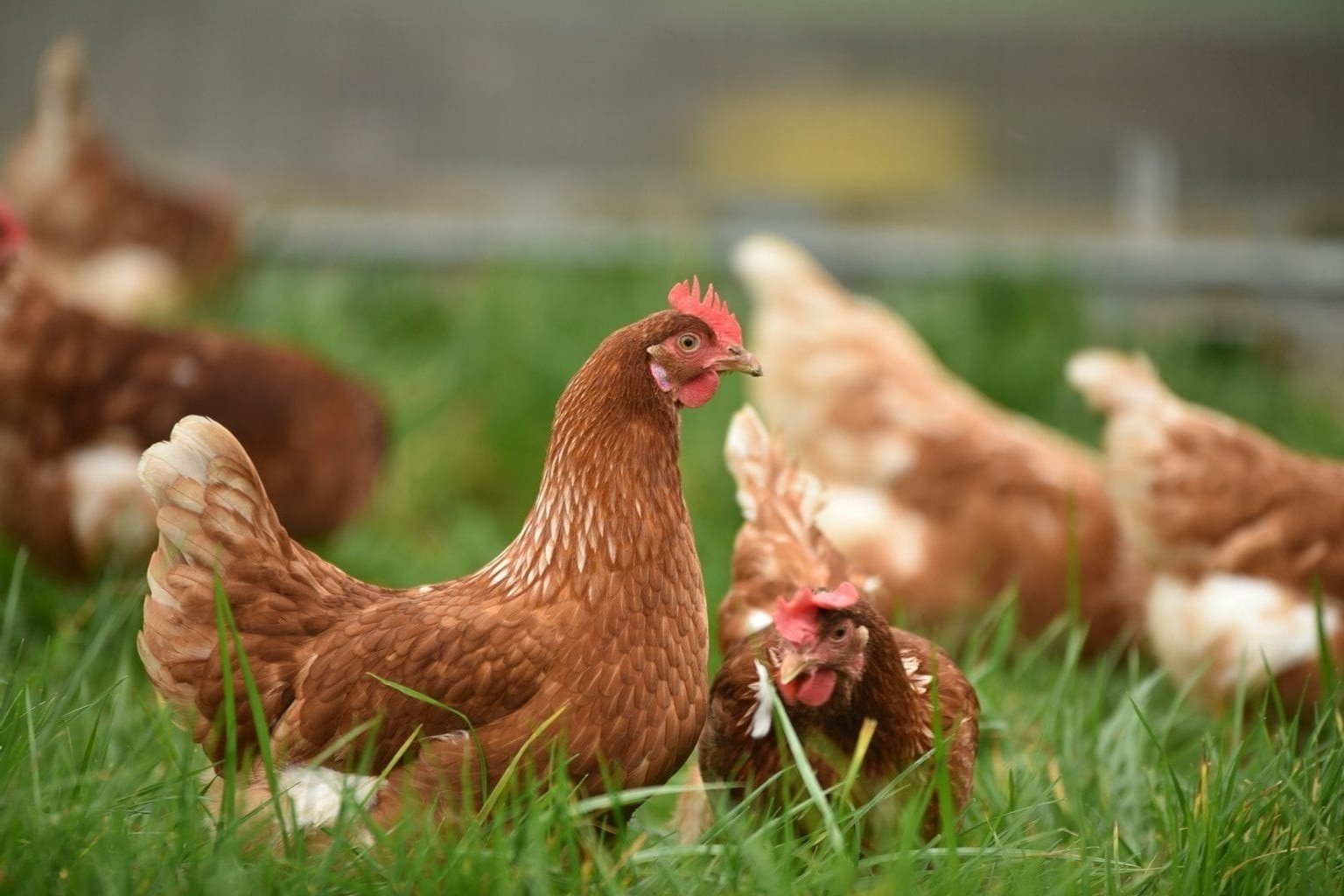
Voluntary housing of poultry remains the recommended approach, with producers encouraged to maintain on-farm biosecurity measures to reduce contact between poultry and wild birds.
Tasmanians who see sick or dead birds are urged to avoid contact, record details including photos and location and report it by calling 1800 675 888.