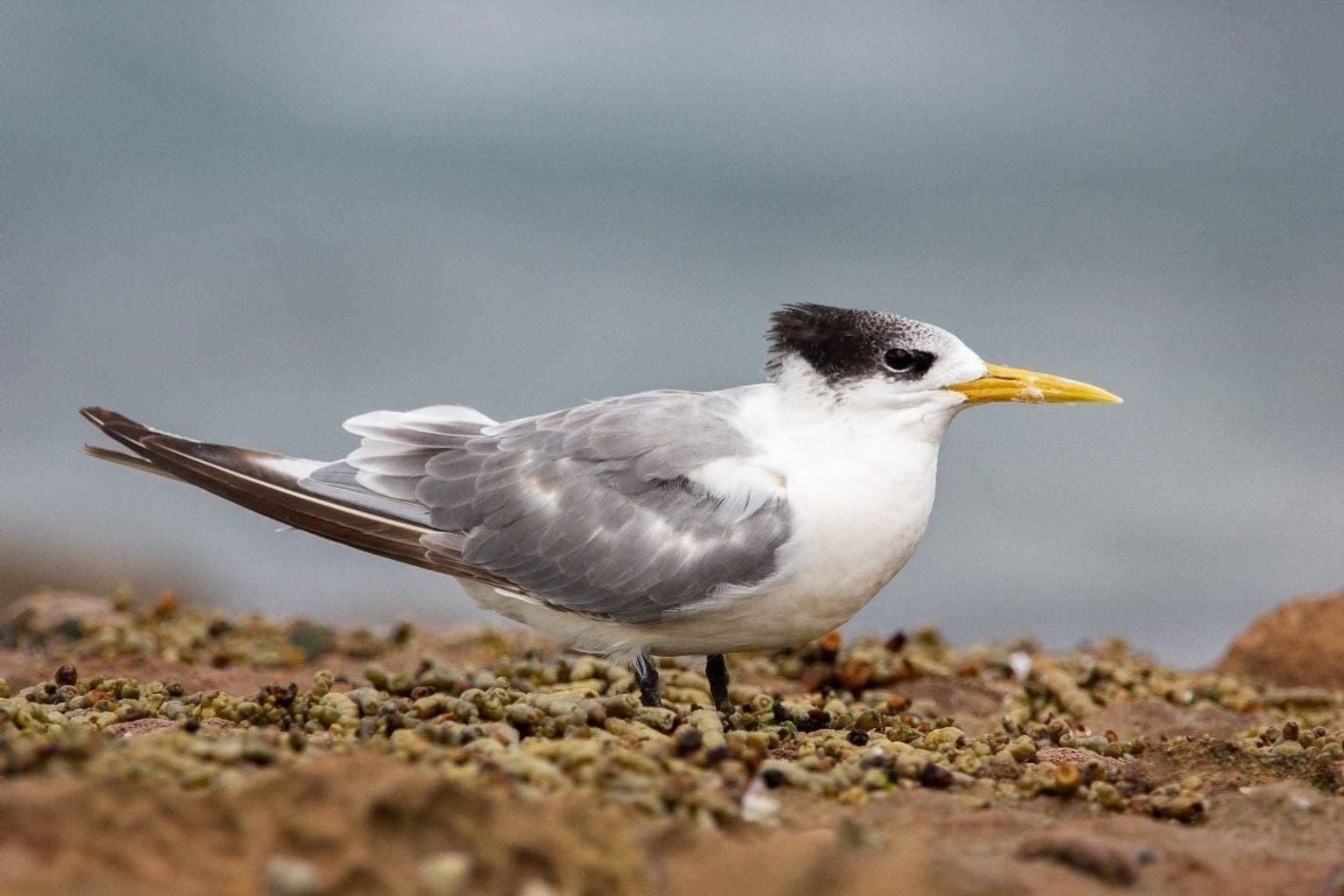
Tasmania’s bird flu tally has risen to 11 after a crested tern at Rocky Cape tested positive for the H5 strain.
The Animal Health Laboratories at Mount Pleasant confirmed the result from a bird collected on Tuesday, with the sample now sent to the Australian Centre for Disease Preparedness in Geelong for further testing and sequencing.
Incident controller Wes Ford said the detection was not unexpected.
“The detection of bird flu in Tasmania was anticipated,” he said.

“Currently, detections are located on or near the north-west coast but we should be aware that further detections in other locations are likely over time.”
All 11 confirmed cases have been found along the north-west coast or on King Island, with seven recorded at Currie and the remainder at Rocky Cape, Burnie and Sulphur Creek.
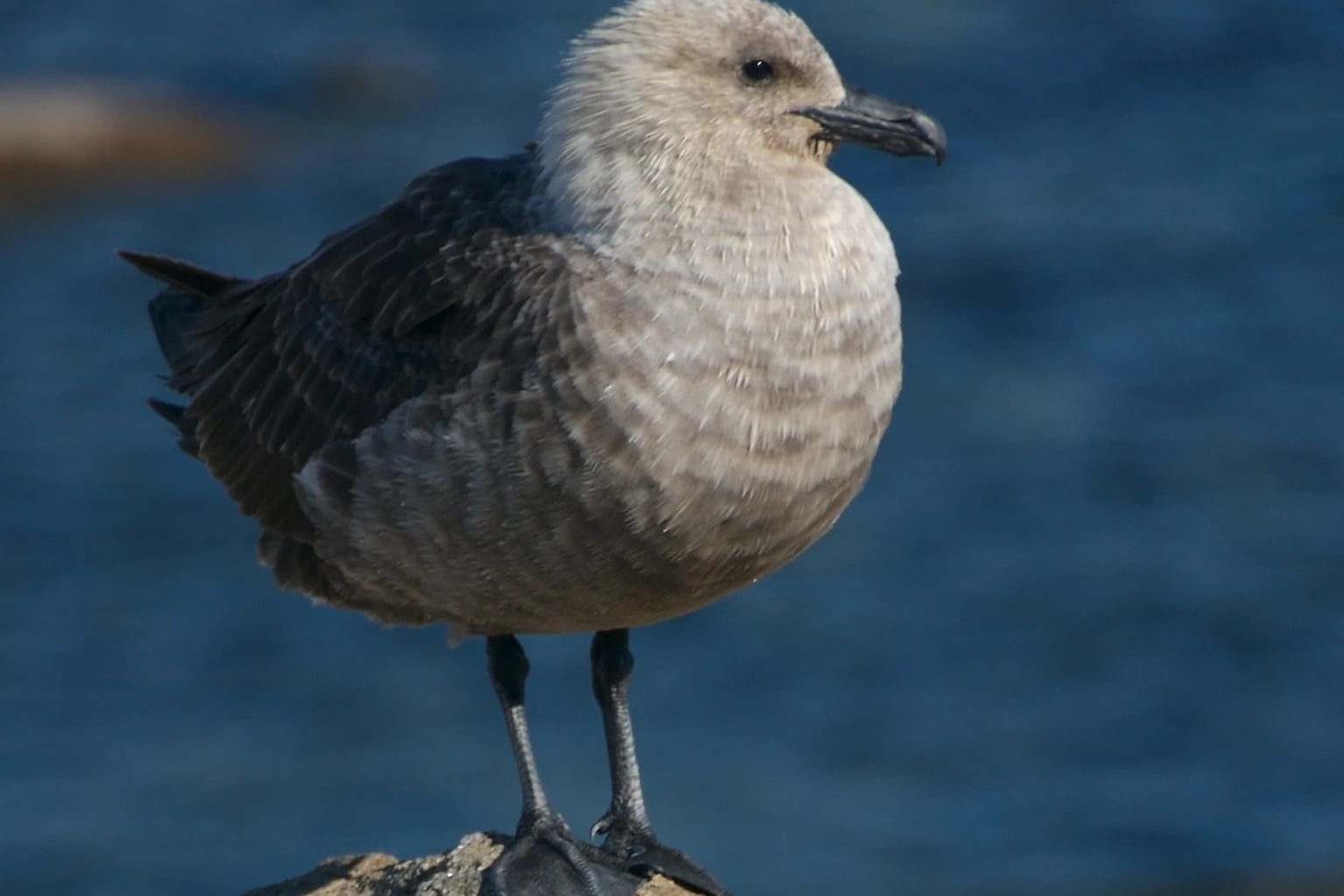
Species detected include crested terns, silver gulls and a brown skua.
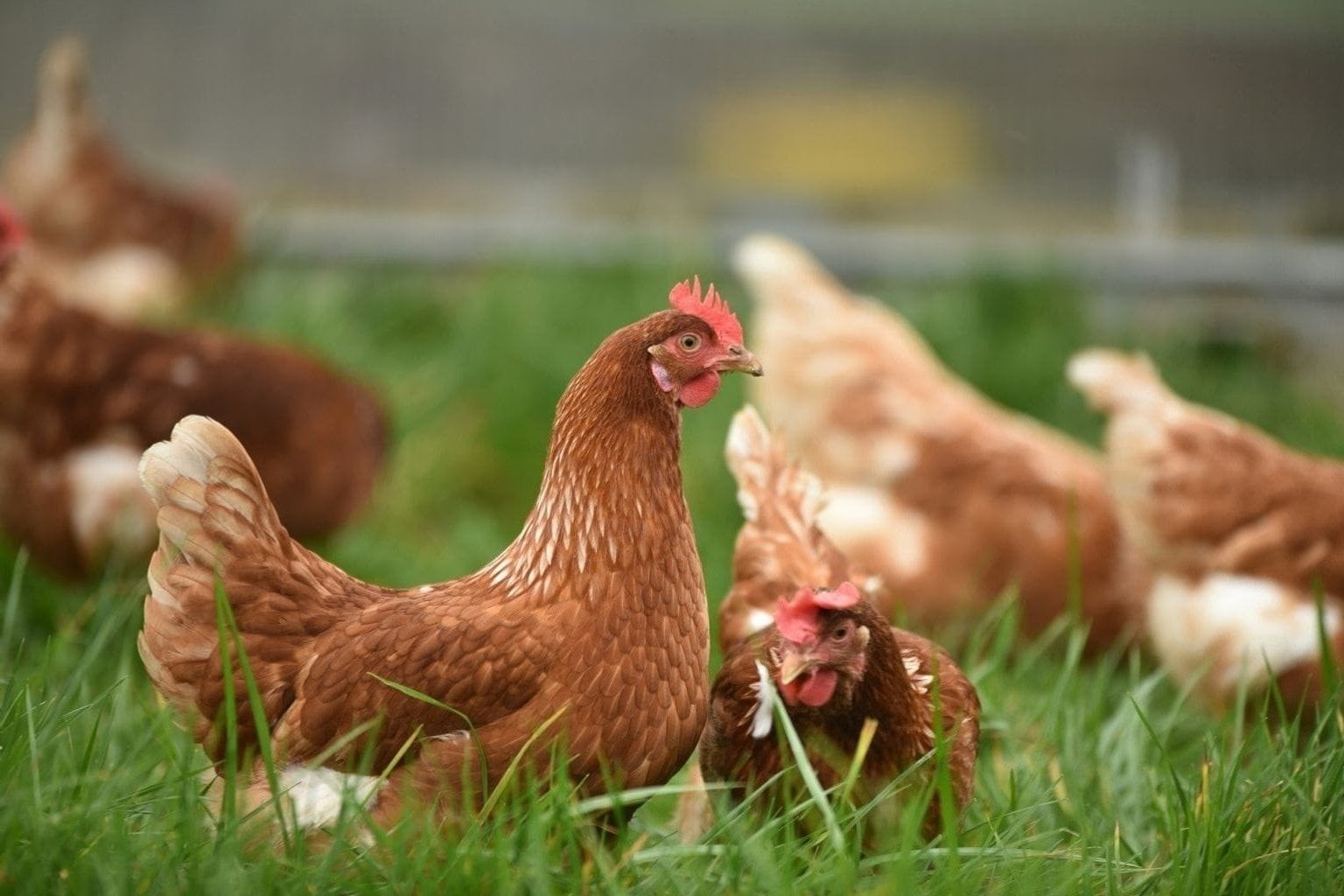
Ford said there is no sign of mass bird deaths and no cases have been found in Tasmanian poultry.
Chicken and eggs remain safe to eat.
Ford urged pet owners to help limit the spread of the virus.
“Some domestic animals, including dogs and cats, can be affected with bird flu through close contact with sick or dead wildlife, body fluids or contaminated environments,” he said.
“When walking your dog, keep it on a lead and prevent it from investigating, touching or scavenging dead birds, sick wildlife or animal carcasses to prevent it from potential exposure to bird flu.”
“Dogs that smell or eat dead birds could transmit the virus to backyard poultry,” he said.
Cat owners are also encouraged to keep their cats contained to reduce the risk of them catching the disease and bringing it home.
Tasmanians who see sick or dead birds are urged to avoid contact, record details including photos and location and report it by calling 1800 675 888.