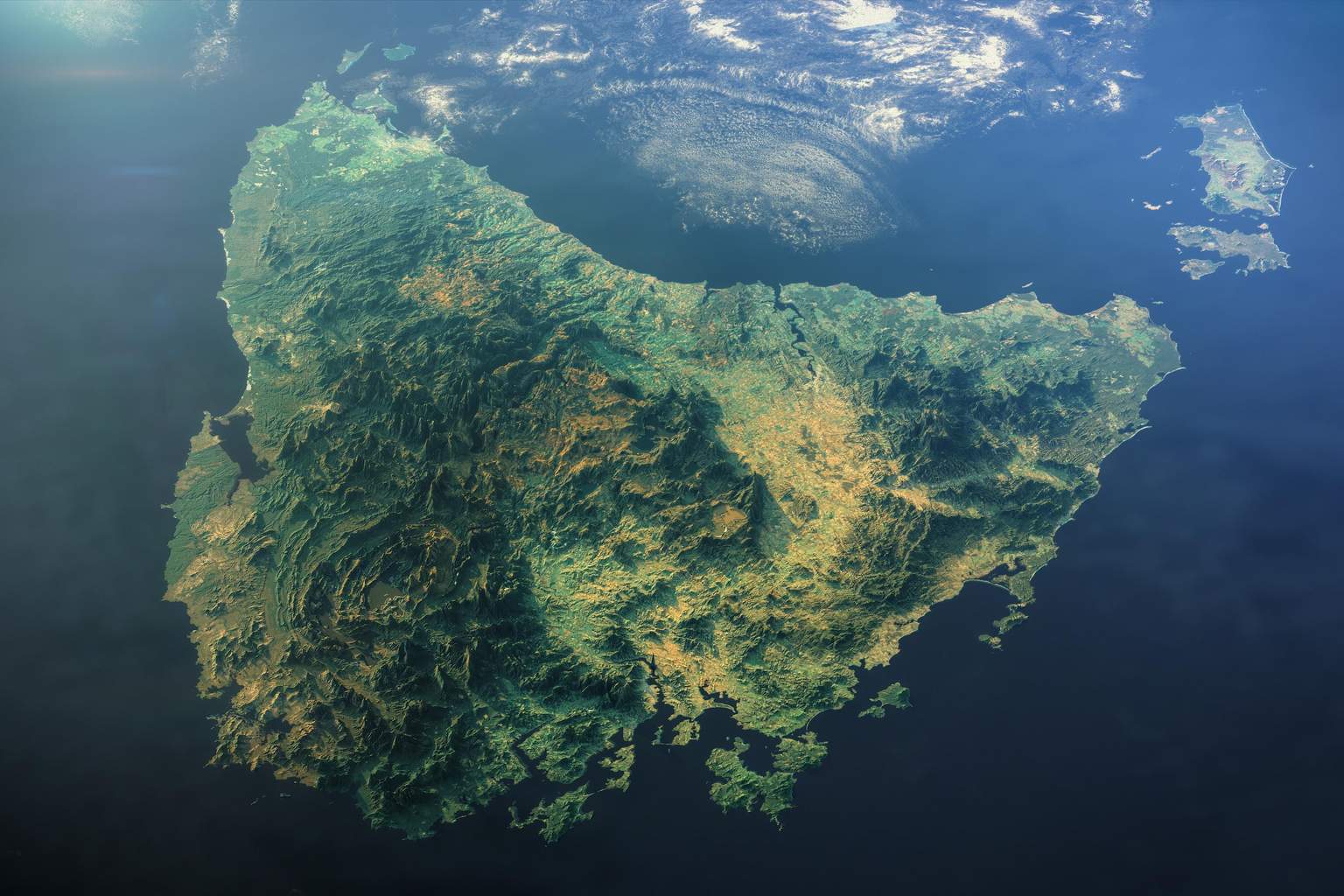
Tasmania’s trend unemployment rate has reached 5.2%, the highest in the country, according to figures released this week.
The Australian Bureau of Statistics data shows the national trend unemployment rate rose marginally to 4.6% in August.
Tasmania also recorded the highest rate of underemployment in the country at 7.1%.
It also had the lowest participation rate at 60.6% and the lowest employment to population ratio at 57.5%.
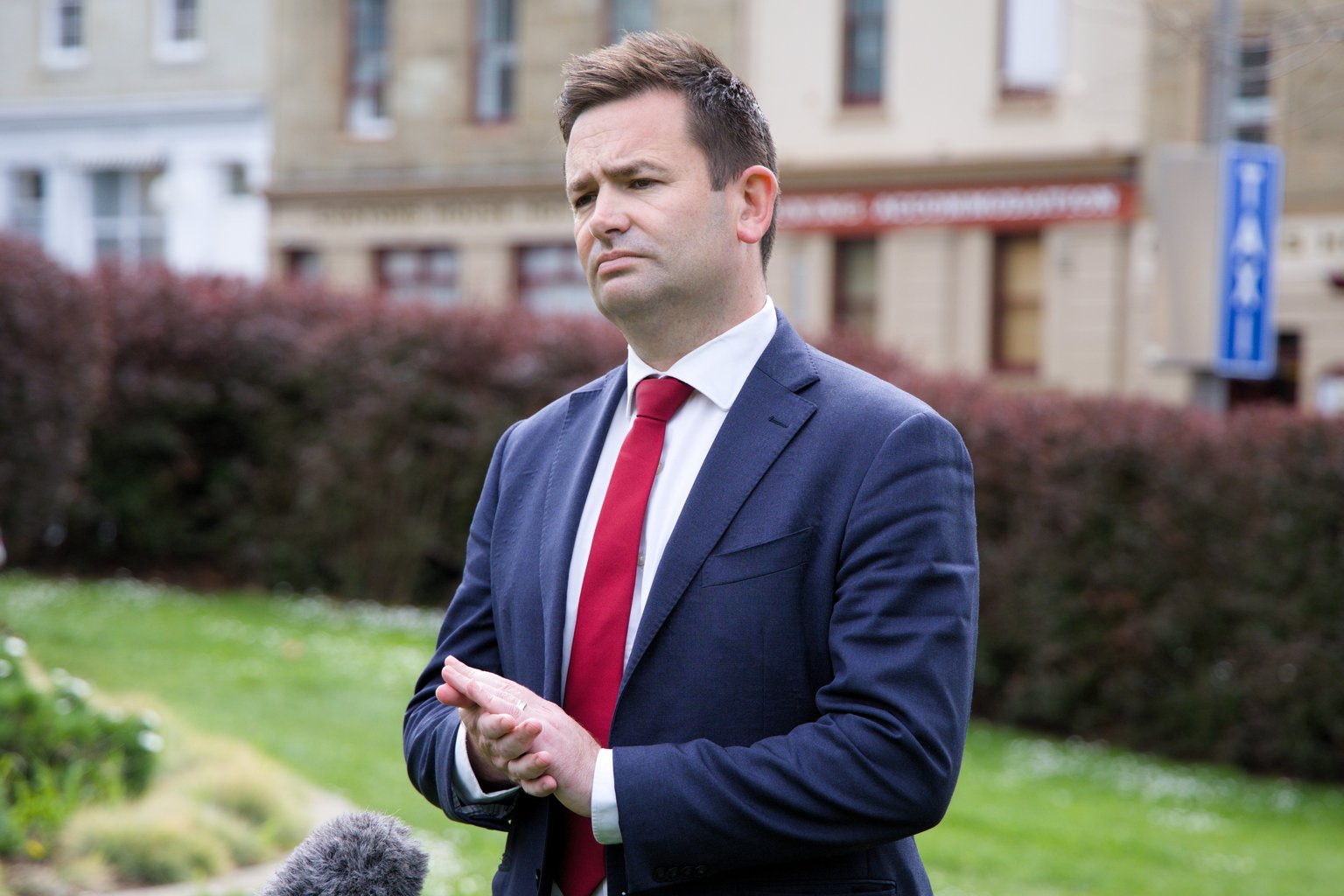
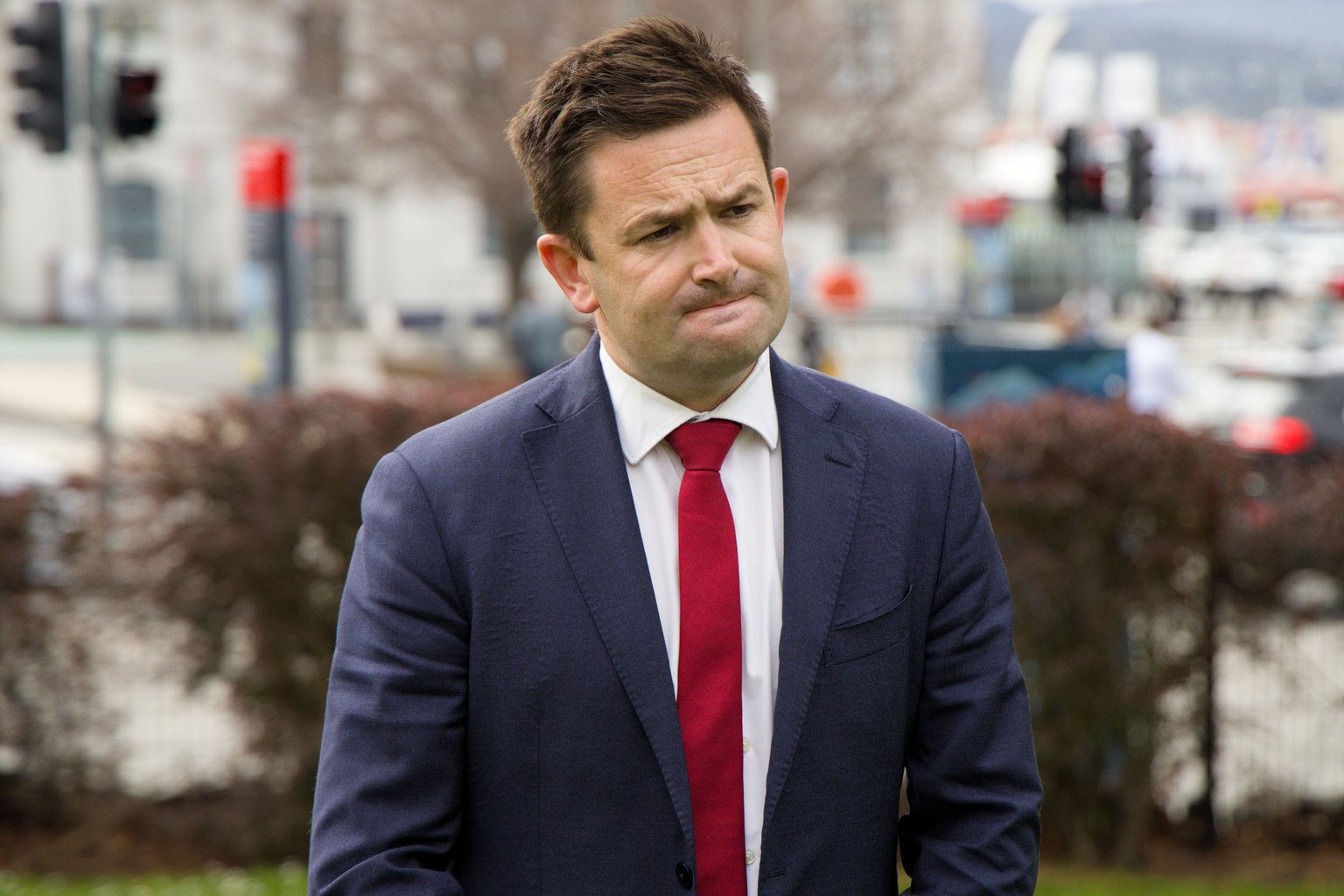
Shadow Treasurer Dean Winter said the state was at the “bottom of the pile” on each of the four major employment markers.
“We’ve seen some of the largest reductions in jobs since the GFC over the course of the last 12 months,” Winter said.
Winter said the figures did not yet include the public sector cuts announced in recent days.
“These cuts to public sector workers are starting now,” he said.
“So the cuts that the premier has unveiled over the last few days are not even baked into these numbers.”
He said the figures reflected the closure of Boag’s Brewery and Liberty Bell Bay, with Bell Bay Aluminium, Nyrstar and Boyer under pressure.
Winter said businesses were also facing uncertainty from the government, pointing to the salmon industry review.
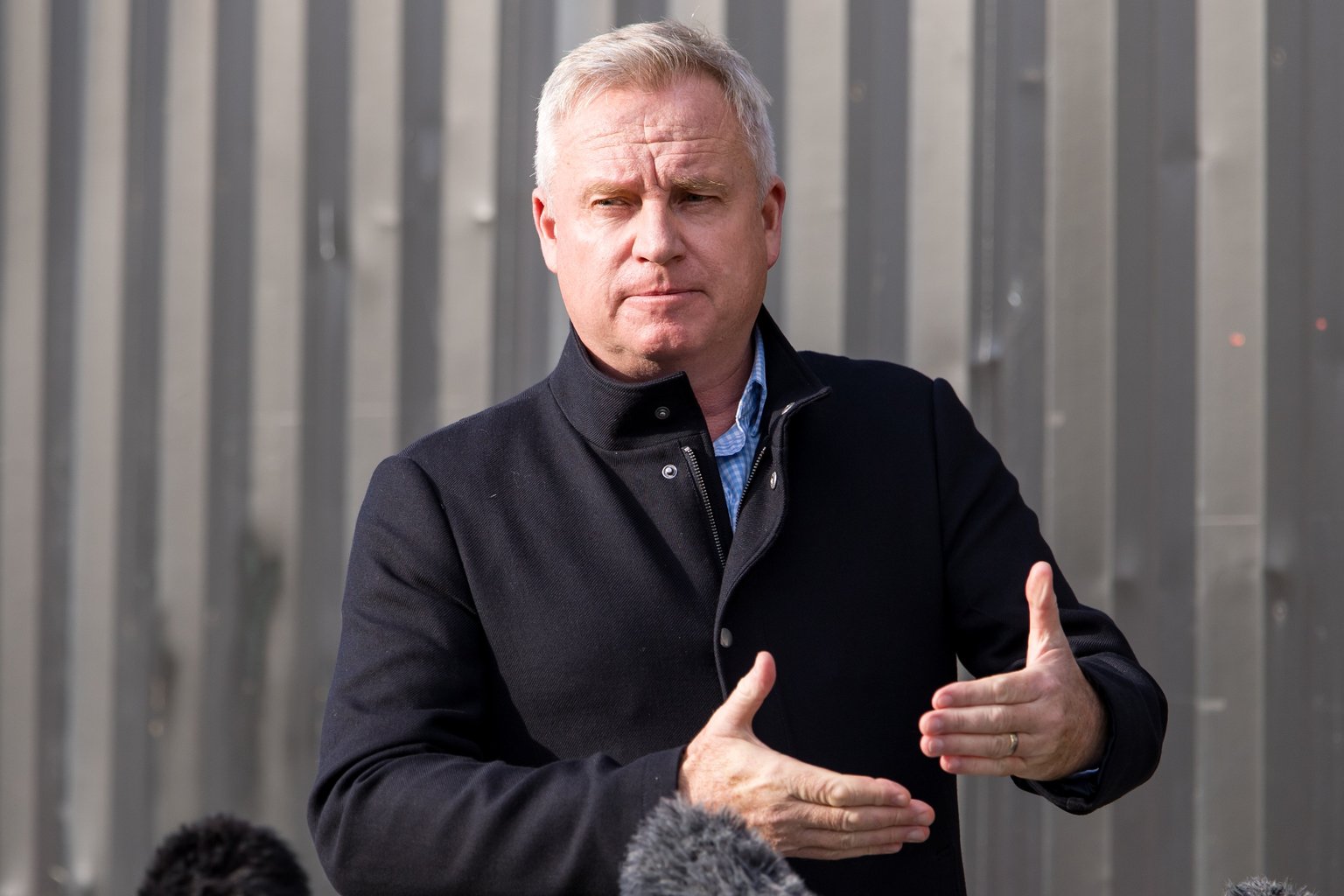
When asked whether the government accepted responsibility for the figures, Premier Jeremy Rockliff said the state was working to push Tasmania forward.
“This is why we have a northern economic plan,” Rockliff said.
“It’s why we’re going to bat for Bell Bay Aluminium. It’s why we need a Mac Point stadium.”
Rockliff pointed to a $39.5 billion pipeline of capital investment, more than half of which he said was privately funded.
He said the government had been open about the need to reduce the public service, which he said had grown at more than twice the rate of the population during the pandemic.
“Our last budget highlighted the fact that we need to reduce our public service, which is currently 37,000 people, by some 1,800 over the course of the next five years,” Rockliff said.
Rockliff said the government was focusing on vacant positions first, then redeployment, then voluntary redundancy.
“We recognise that we need to work through this in a very measured way, but a very sensitive way as well,” he said.
The figures follow CommBank ranking Tasmania’s economy last in the nation earlier this month.