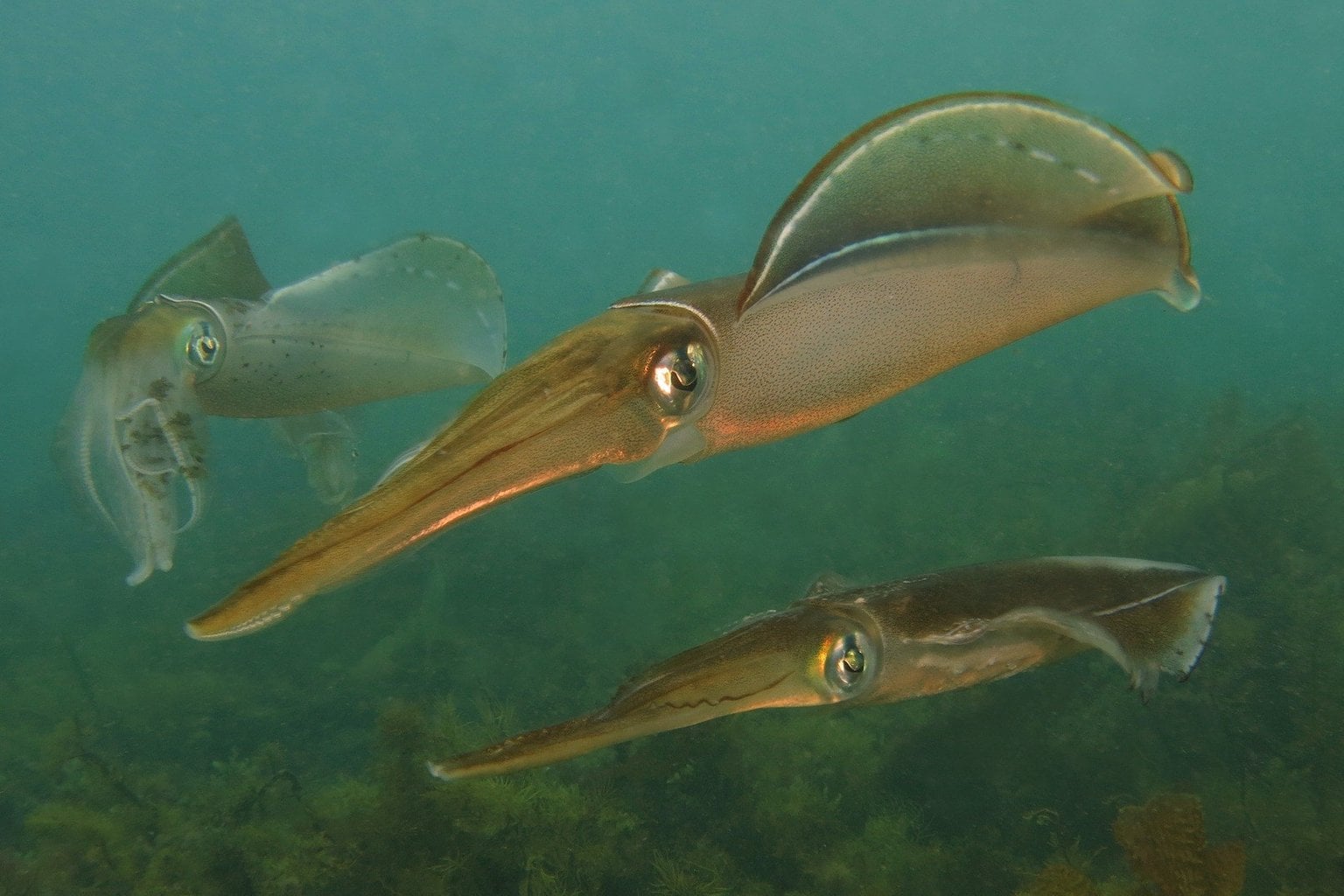
Scientists and fishers are joining forces in a bid to rebuild Tasmania’s southern calamari fishery, with stocks now classified as depleted in the state’s south-east.
Researchers at the University of Tasmania’s Institute for Marine and Antarctic Studies (IMAS) will spend the next three years tracking what drives the squid to spawn and when.
The work comes as the latest stock assessment shows calamari numbers are also declining in the north of the state.
IMAS senior researcher Katie Cresswell said well-timed fishing closures could be key to turning things around.
“Southern calamari is a key commercial and recreational species in Tasmania, but current stock assessments classify the species as depleting in the north and depleted in the south-east,” Cresswell said.
“Fishing closures are an important tool to protect breeding adults, but getting the timing right is critical for rebuilding the stock.”
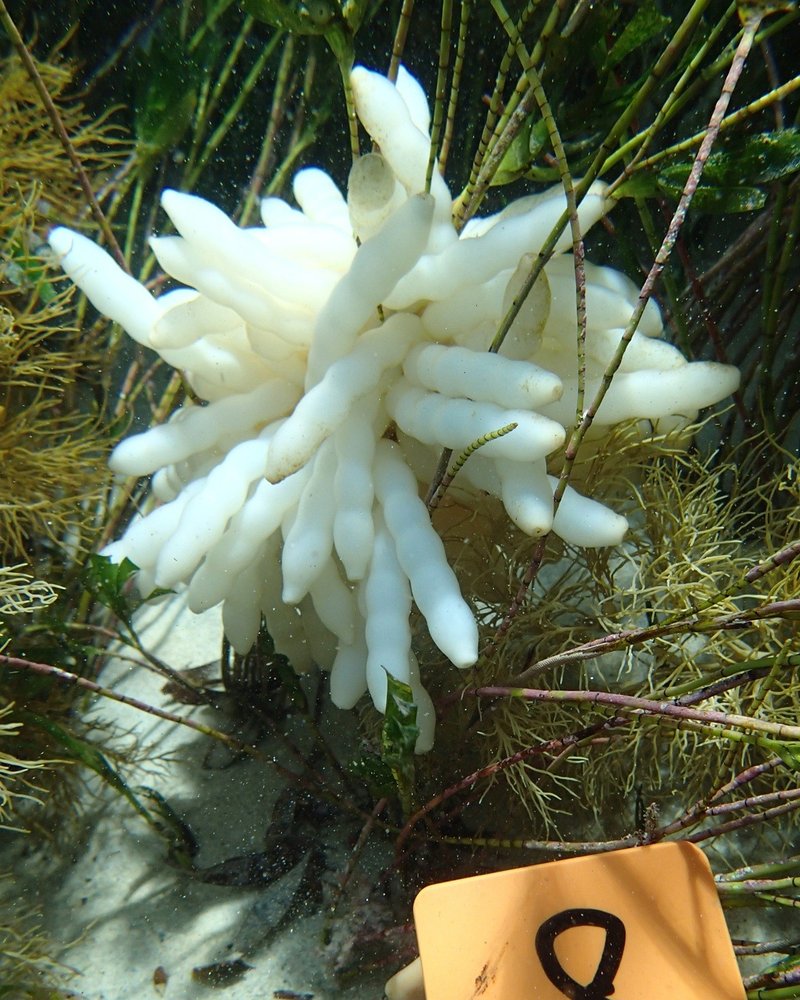
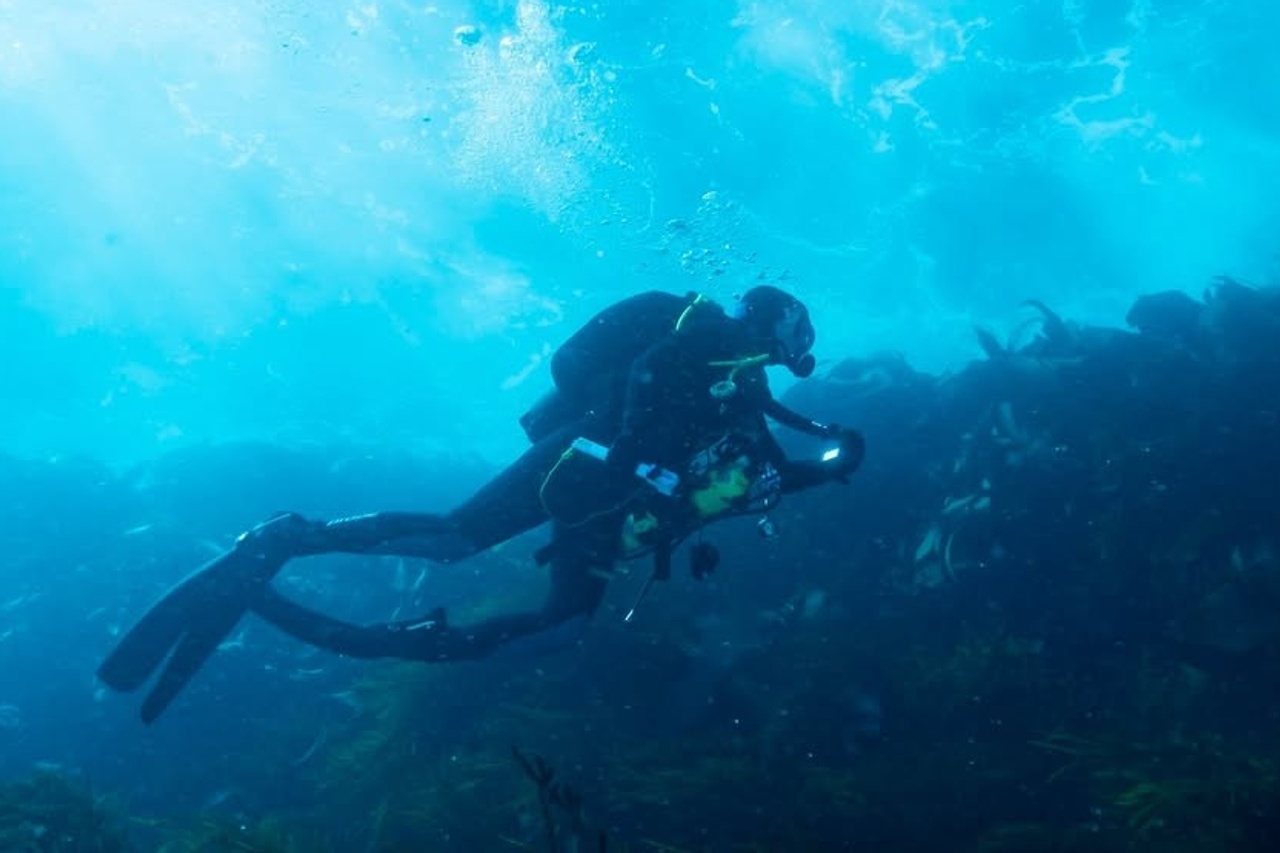
From July, the team will begin monthly surveys at sites in the north-east, north-west and south-east, sending divers underwater to count calamari egg mops on the seafloor.
They will also trial cheaper monitoring options, including towed underwater cameras paired with artificial intelligence trained to pick out the egg clusters in video footage.
Post-doctoral research fellow Katerina Charitonidou said the new approach would help map how spawning varied around the state.
“These surveys will … map regional differences in peak spawning timing and duration,” Charitonidou said.
Commercial fishers will also play a hands-on role, collecting samples from adult females during the season to help researchers understand breeding cycles.
Cresswell said the species was difficult to manage because calamari lived fast and their spawning shifted from year to year.
“To protect the stock and support fishers, we need to understand when and where spawning peaks occur, how they change year to year and what environmental cues drive them,” she said.
The findings are expected to shape future decisions on when and where fishing closures are put in place.
The project is being funded by the Fisheries Research and Development Corporation on behalf of the federal government.