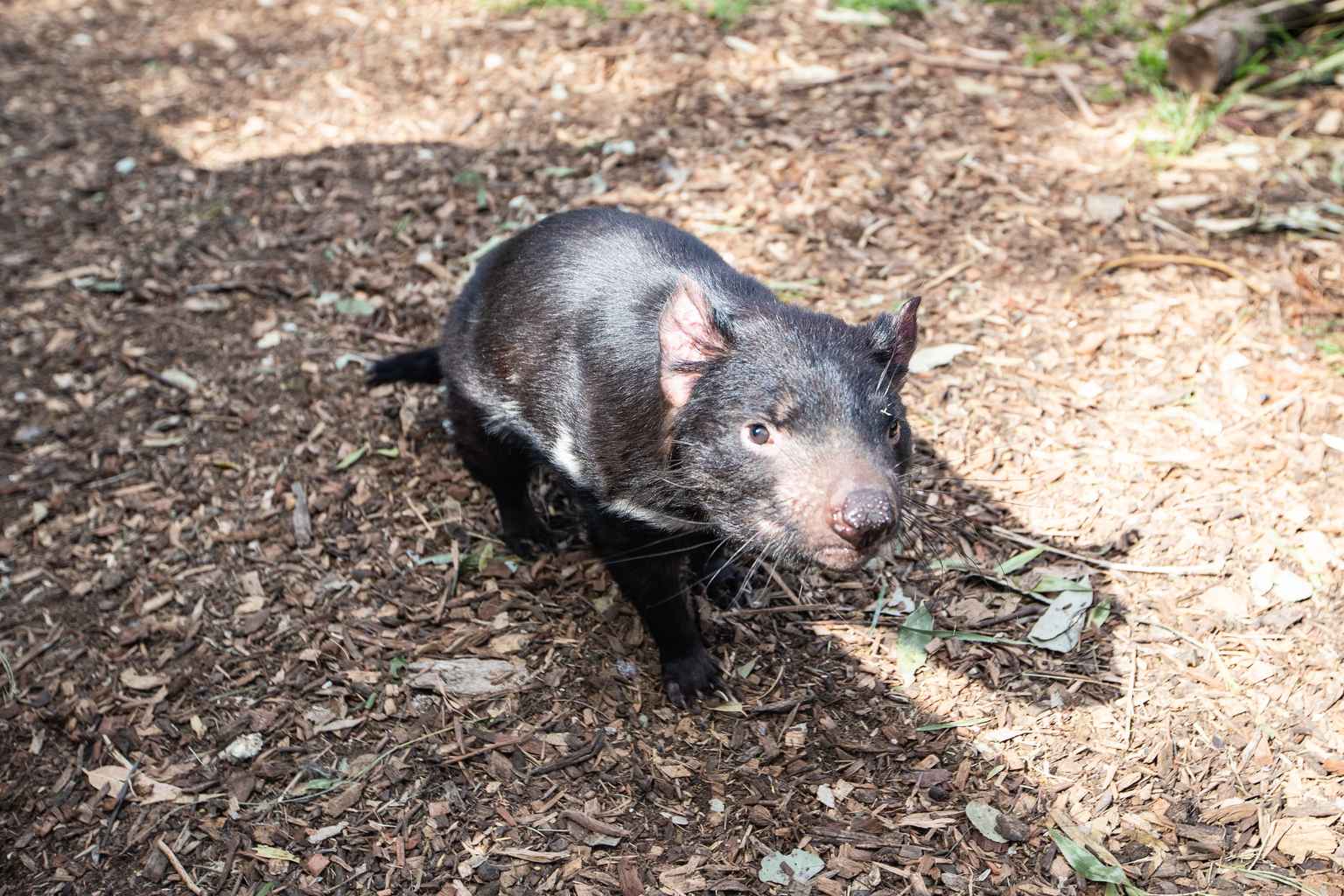
A new research partnership hopes to make Tasmanian devils more resistant to the contagious cancer that has driven the species toward extinction.
The Colossal Foundation and the University of Tasmania have joined forces to take on devil facial tumour disease, known as DFTD.
The disease has wiped out about 80% of wild devils since it was first found in 1996.
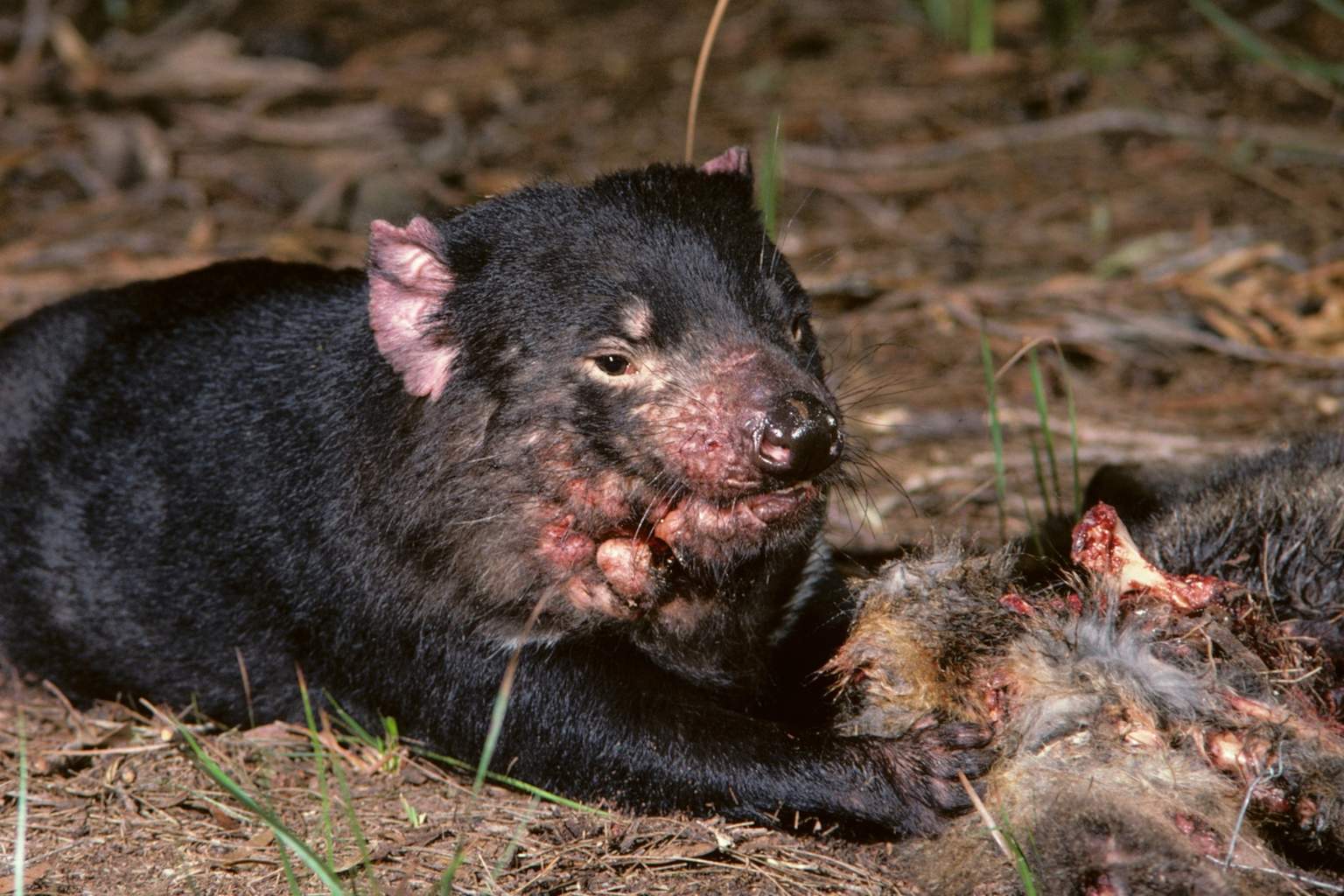
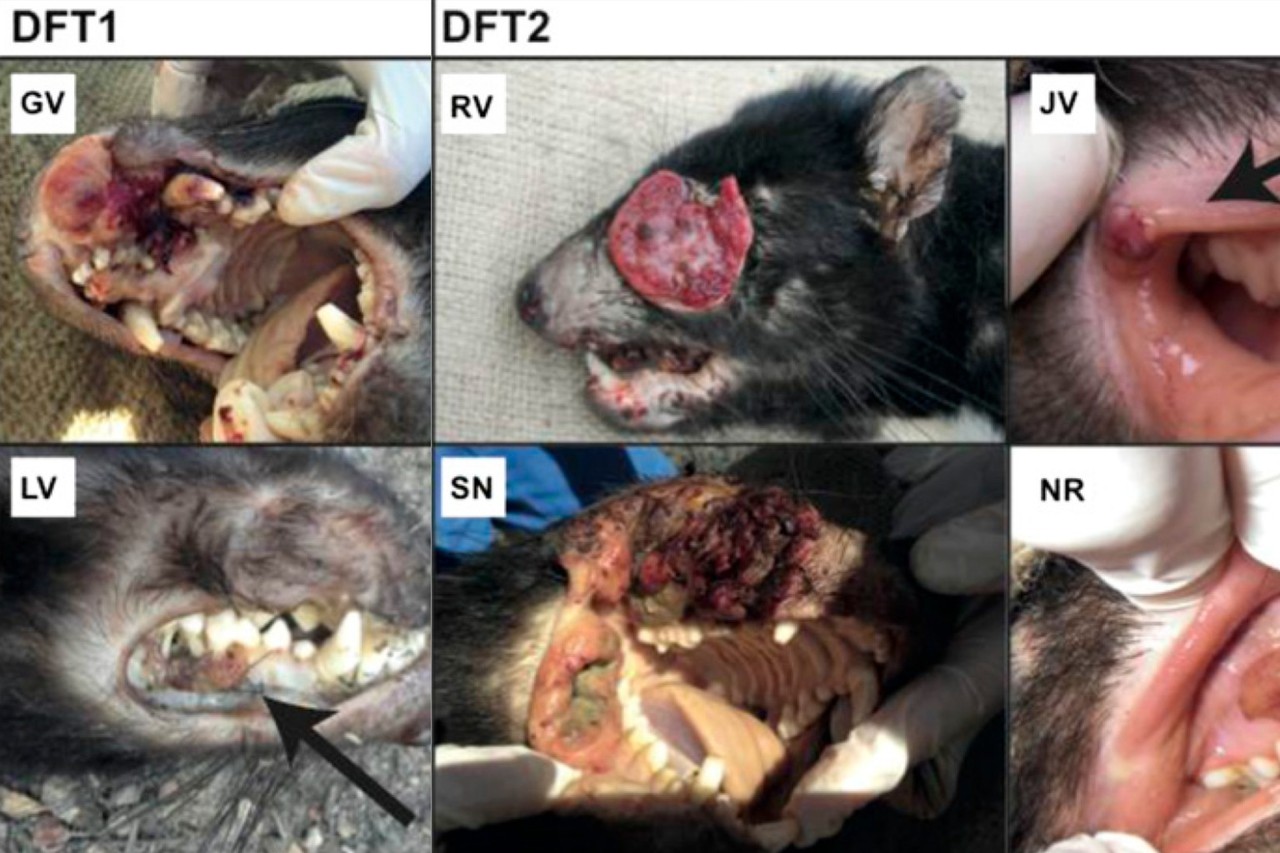
It spreads when devils bite each other while feeding and mating. Tumours grow around the mouth and face until the animal can no longer eat and it is almost always fatal.
Two separate cancers are at work. DFT1 arrived first in 1996 and has spread across most of Tasmania. DFT2 emerged in the state’s south in 2014 and is still spreading.
The partnership is pursuing two approaches at once.
The first is a vaccine. Andrew Flies and his team at the university’s Menzies Institute for Medical Research have built an oral bait vaccine designed to train the devil immune system to fight both cancers.
The Colossal Foundation says the bait could one day protect wild devils across Tasmania without every animal having to be trapped and injected.
The foundation will pay to set up a colony of fat-tailed dunnarts, a mouse-sized relative of the devil, in Hobart.
The colony would let scientists test whether the vaccine is safe before any trials on devils begin.
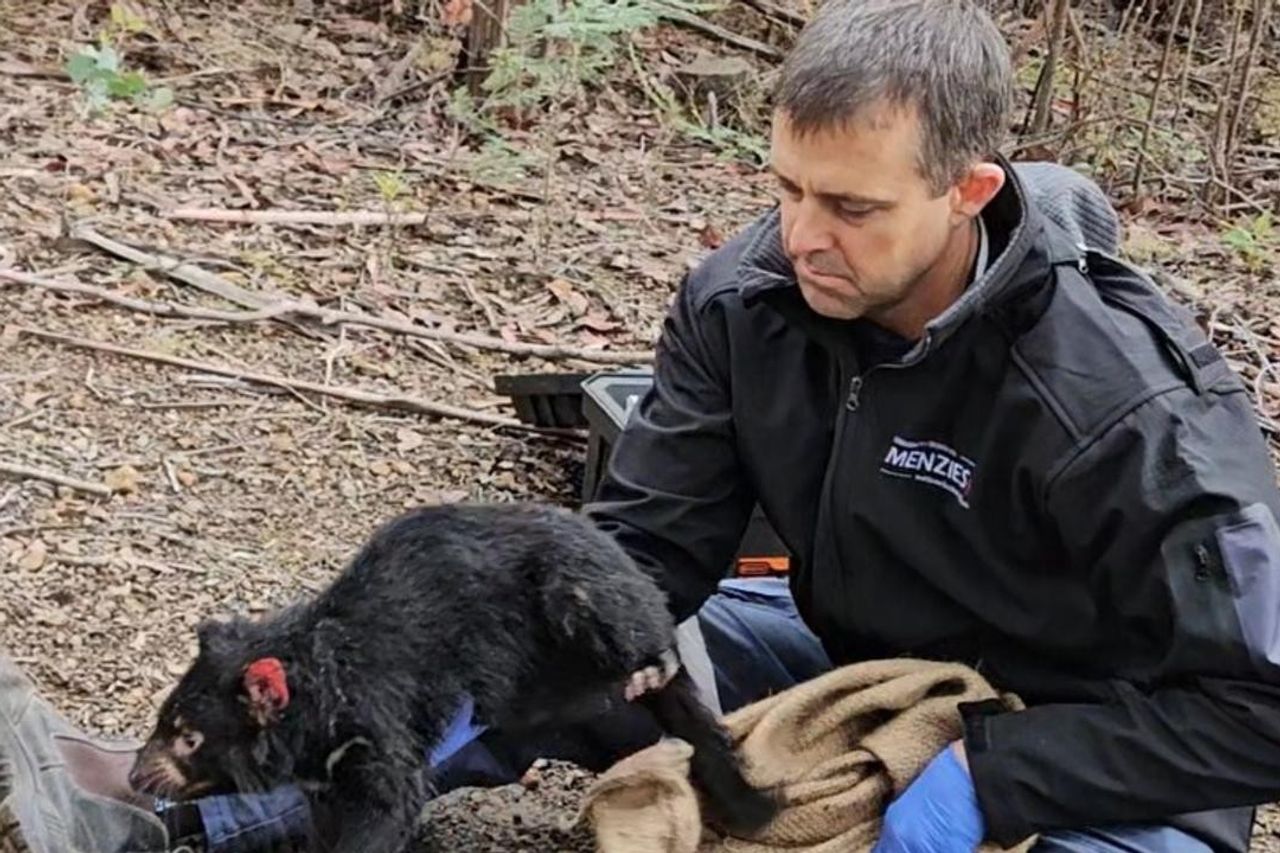
“We’ve spent years developing a vaccine designed to train the devil immune system to fight these cancers but progress is slow due to the challenges of working with an endangered species and having a lack of marsupial research tools,” Flies said.
“Partnering with the Colossal Foundation can significantly accelerate our vaccine work and allow us to explore a gene-editing strategy in parallel that could enhance the vaccine and make devils more resistant to DFTD.”
The second approach focuses on a gene called LZTR1, which researchers think plays a role in the origin of the tumours.
The teams want to test whether editing the gene could reduce how susceptible devils are to the cancers.
The devil is Tasmania’s apex scavenger and researchers say its decline has flow-on effects for the wider ecosystem, including allowing feral cats to spread.
Colossal built its marsupial expertise through its bid to bring back the thylacine. It is now applying those tools to living species.
The vaccine still has to pass safety trials before it can be tested on wild devils.