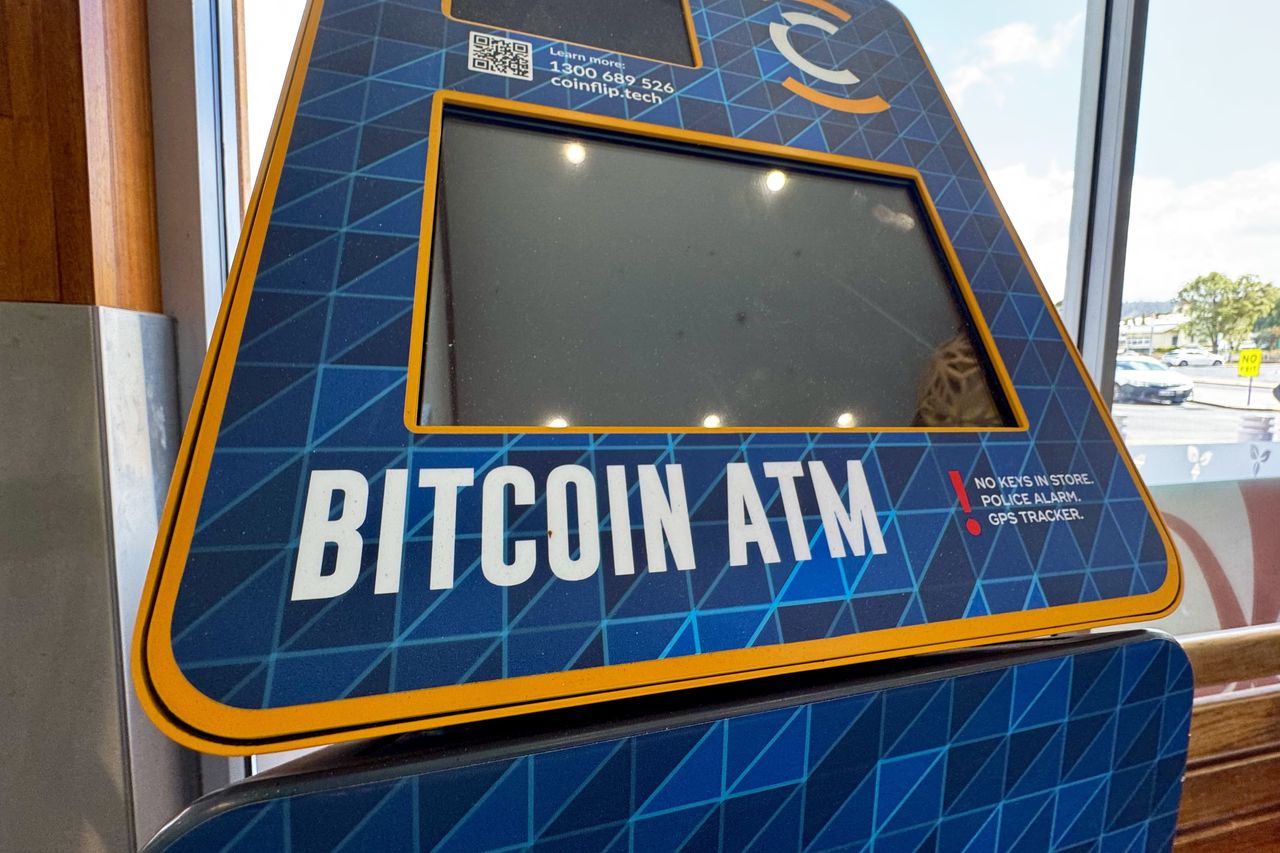
Tasmanian scam victims lost more than $1.5 million through cryptocurrency ATMs in just three months earlier this year.
Tasmania Police uncovered the losses as part of a national crackdown on criminals using the machines to take money from scam victims.
Police say scammers are directing victims of romance, investment and recovery scams to crypto ATMs to deposit cash.
Detective Sergeant Paul Turner said scammers often sent victims to the machines after their bank questioned or blocked a transfer.
“In many cases, scammers directed victims to cryptocurrency ATMs after they encountered resistance or questioning from their financial institution when attempting to transfer funds,” he said.

“Victims are being manipulated, intimidated and pressured into sending money to scammers involved in fake investment opportunities and online romance scams.”
Tasmania had just one crypto ATM in 2021. There are now 28 across the state.
The latest figures follow a police investigation last year that found the state’s 15 biggest crypto ATM users had all been scammed.
Police said on July 11, 2025, that those victims had lost a combined $2.5 million, including about $900,000 deposited through crypto ATMs.
The average victim was about 65yo and one person lost more than $750,000.
Turner said one of the biggest warning signs was being asked to put cash into a crypto ATM by someone you had only met online or spoken to over the phone.
“If someone you’ve met online or a person who has contacted you unexpectedly asks you to deposit cash into a cryptocurrency ATM, it is highly likely you are being targeted by a scam,” he said.
“These scams often involve substantial financial losses and can have severe, long-term impacts on victims and their families.”
Police say no government agency, police force or utility company will ask for payment in cryptocurrency and legitimate investments never guarantee profits.
“If you’re unsure about a transaction, please seek advice from trusted friends, family members or police before proceeding – and always take the advice provided by your bank,” Turner said.
Anyone who thinks they have been targeted should stop communicating with the scammer immediately, avoid sending any more money and report the incident at cyber.gov.au.