Tasmania’s beekeepers are marking World Bee Day this week with a reminder that the state’s pest-free status is a rare and valuable advantage worth protecting.
World Bee Day falls on Wednesday May 20 and the Tasmanian Beekeepers Association (TBA) is using the occasion to highlight the role bees play in food production, biodiversity and the state’s $12.8 million honey industry.
Tasmania remains free of varroa destructor, a parasitic mite considered the world’s most damaging honey bee pest.
The mainland is not so lucky, with detections across several states and the national response now focused on management rather than eradication.
TBA president Lindsay Bourke said the day was a chance to recognise both bees and the people who care for them.

“Most people love honey, but not everyone realises just how much we rely on bees,” Bourke said.
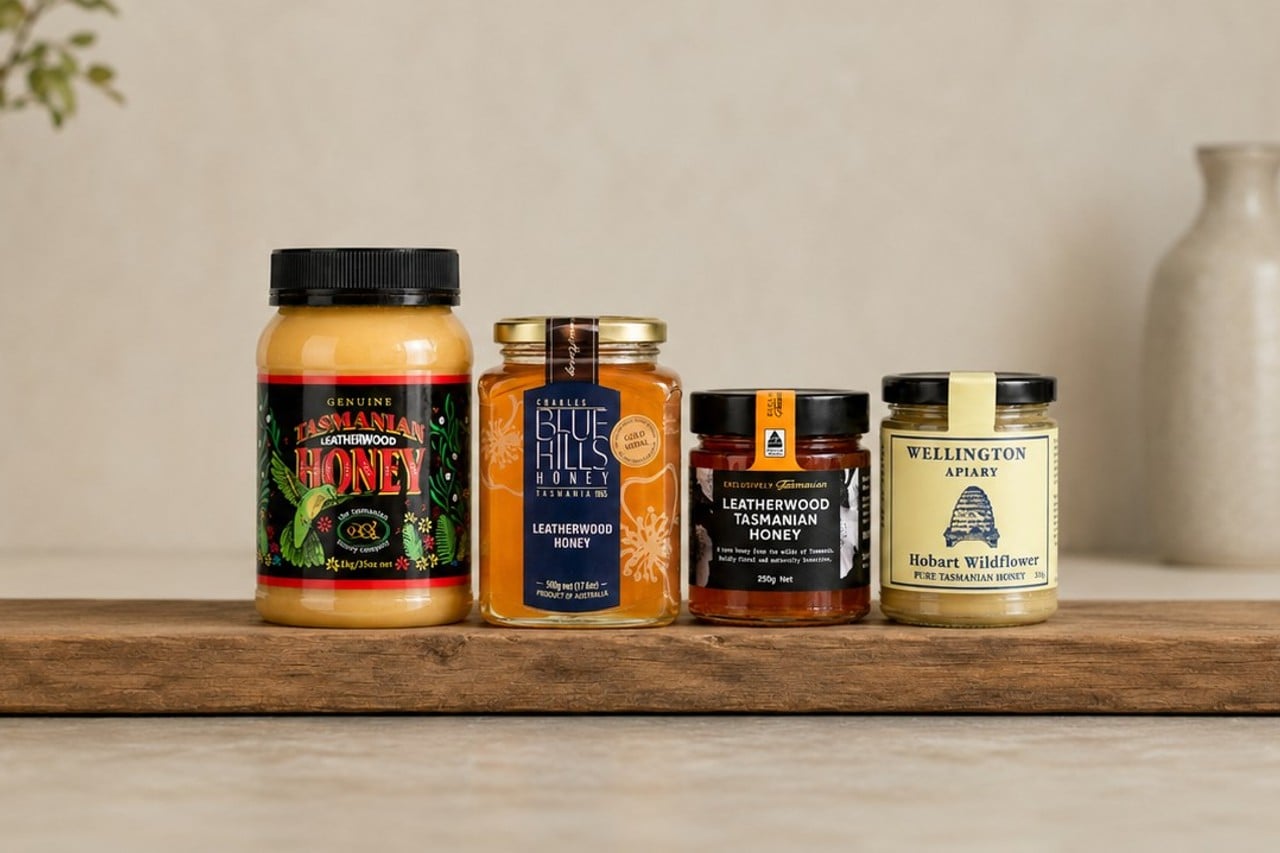
“Here in Tasmania, beekeeping also supports some of our most distinctive natural products, including our world-renowned Leatherwood honey, as well as pollination services for important agricultural industries.”
Leatherwood accounts for around three-quarters of Tasmania’s honey production.
The industry also underpins an estimated $164 million in pollination-dependent crops including cherries, pome fruit and seed crops.
Government modelling suggests a varroa incursion could reduce wild bee populations by around 95%, ending the free pollination services many growers and home gardeners rely on.
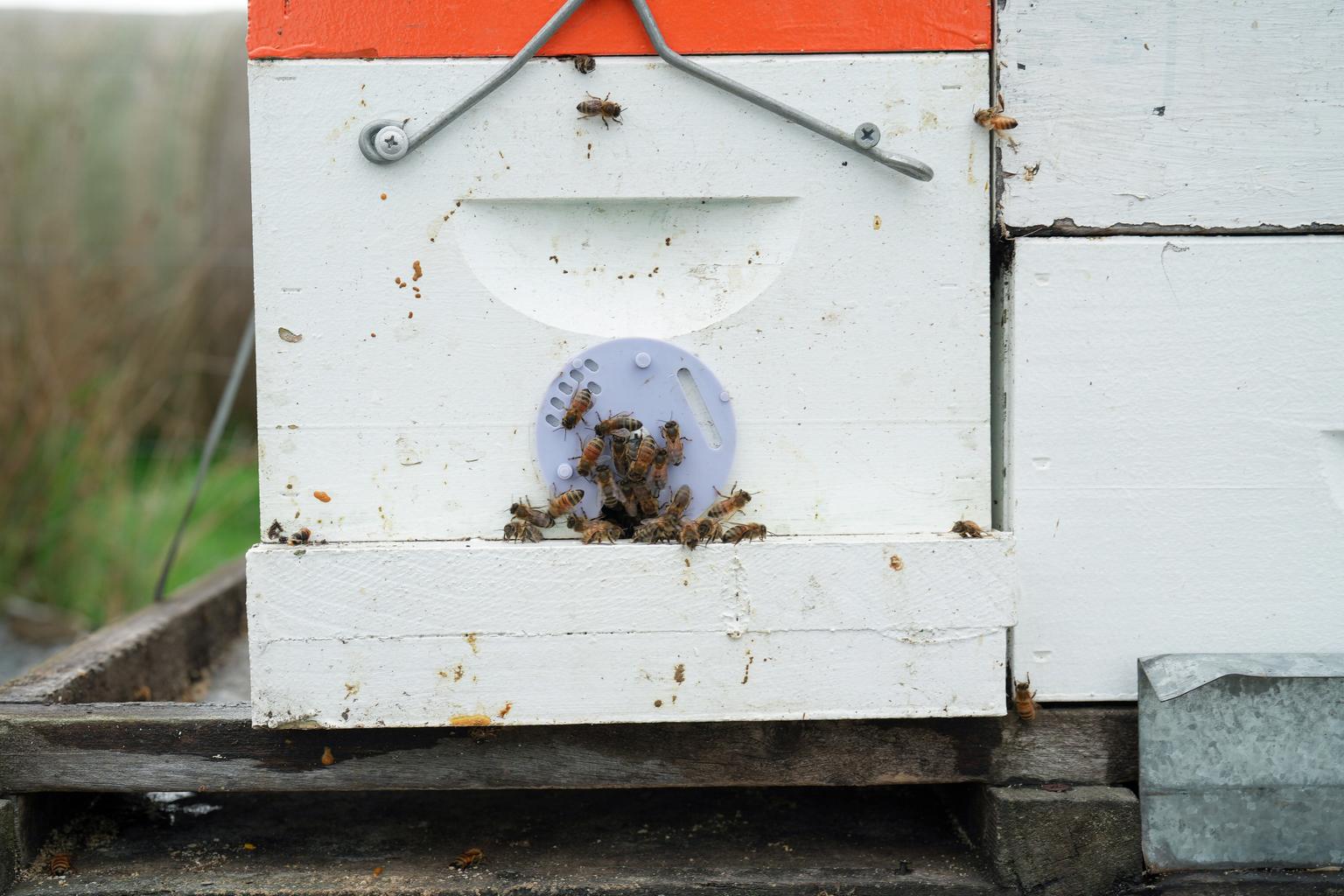
“World Bee Day is a celebration, but it is also a reminder that bees are under pressure,” Bourke said.
“Keeping Tasmania varroa-free for as long as possible will require ongoing vigilance, strong border protections, regular hive monitoring, early reporting and practical support for beekeepers.”
The association is encouraging Tasmanians to buy local honey, plant bee-friendly gardens, avoid unnecessary pesticide use and support biosecurity efforts.
“On World Bee Day, we invite Tasmanians to enjoy a spoonful of local honey, thank a beekeeper and take one simple step to make their garden, farm or community more bee-friendly,” Bourke said.