A major upgrade to a reef monitoring platform developed by University of Tasmania researchers is giving scientists, conservation teams and the public a clearer picture of how protected reefs are changing over time.
The Reef Life Explorer platform brings together one of the world’s largest collections of underwater reef monitoring data into a single interactive tool.
It was developed by researchers from the University of Tasmania’s Institute for Marine and Antarctic Studies (IMAS), building on the Reef Life Survey program established by Tasmanian researchers and now used to monitor reefs around the world.
For the first time, users can compare how reefs inside protected ocean areas are changing compared with reefs outside those areas, showing how ecosystems respond to protection over time.
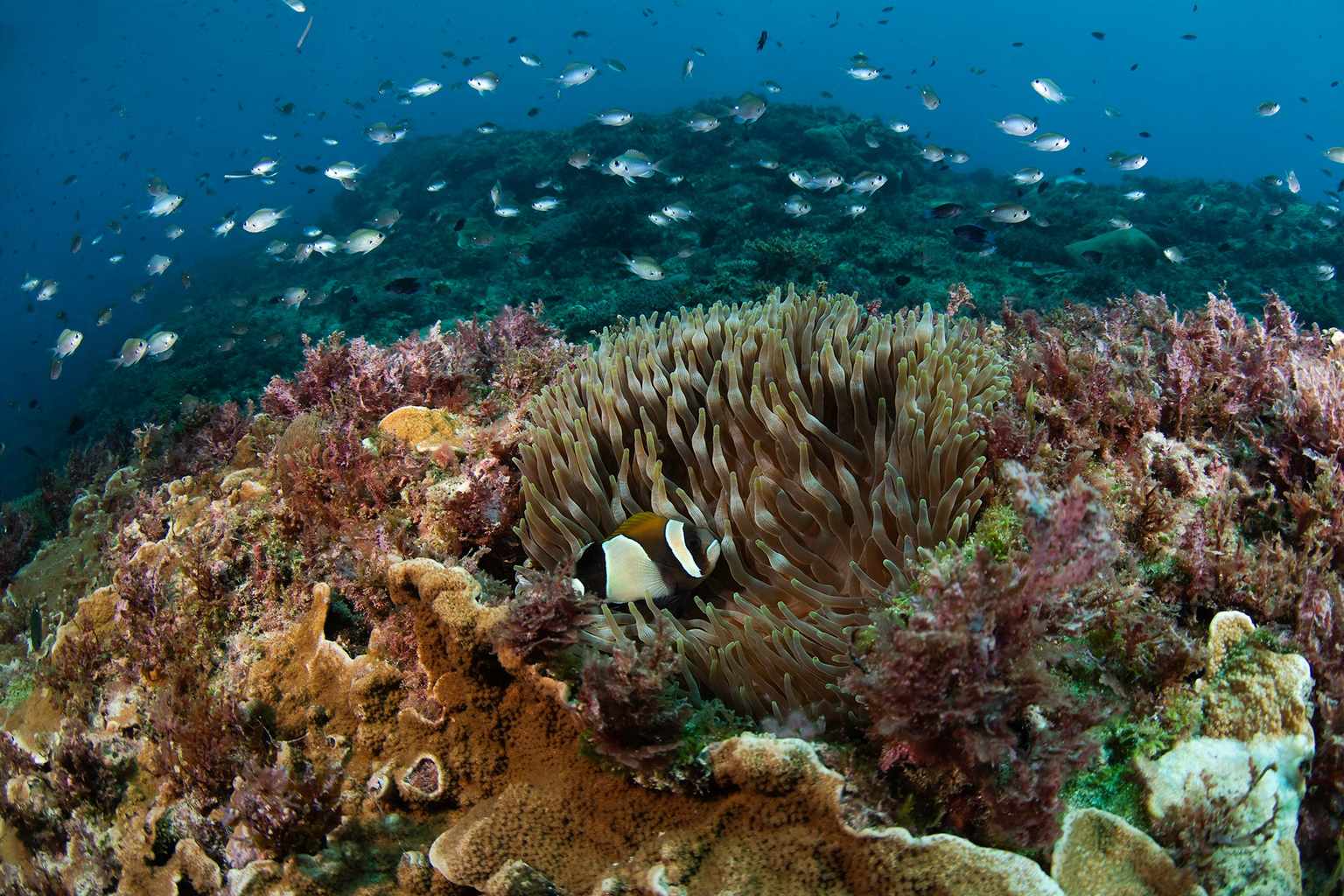
IMAS researcher Ella Clausius, who led the upgrade, said the tool helps address a major challenge in marine conservation.
“Shallow reefs worldwide are under increasing pressure from fishing, ocean warming, harmful algal blooms and other human impacts,” she said.

“Marine protected areas are one of our most important tools for conserving marine life, but we can’t manage what we can’t measure.”
The platform draws on more than 36,000 underwater surveys across 4,800 shallow reef sites worldwide, building on more than 30 years of reef research led by IMAS’s Centre for Ecology and Biodiversity.
The upgrade comes as Australia and other countries work towards a global goal of protecting 30% of the world’s oceans by 2030.
IMAS marine ecologist Rick Stuart-Smith, who co-founded both the Reef Life Survey program and the platform, said making the data available to the public would help improve how reefs are managed.
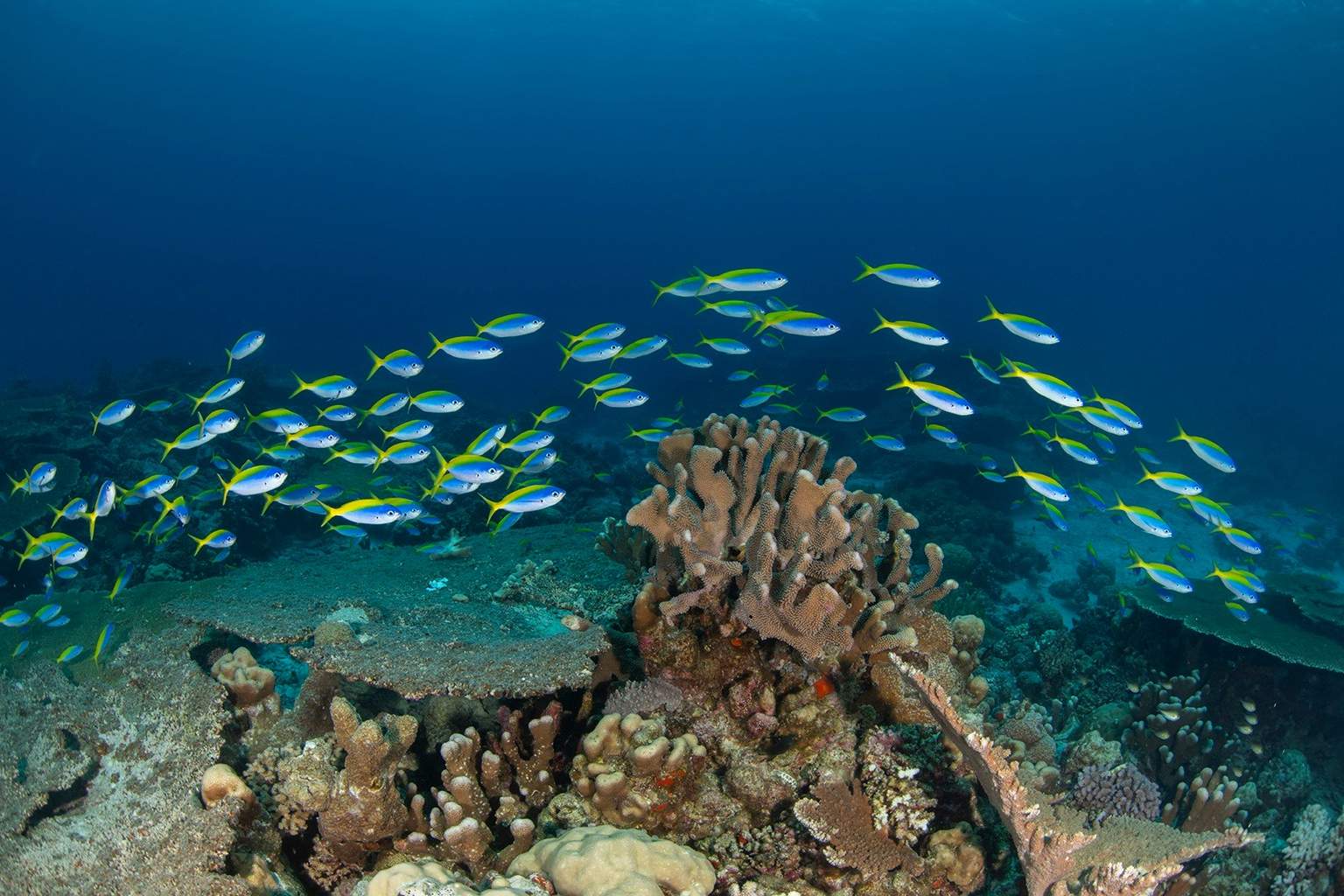
“Reef Life Explorer gives managers, scientists and the community the information they need to understand how protected and unprotected reefs are changing through time, helping ensure marine protected areas are managed using the best available evidence,” he said.
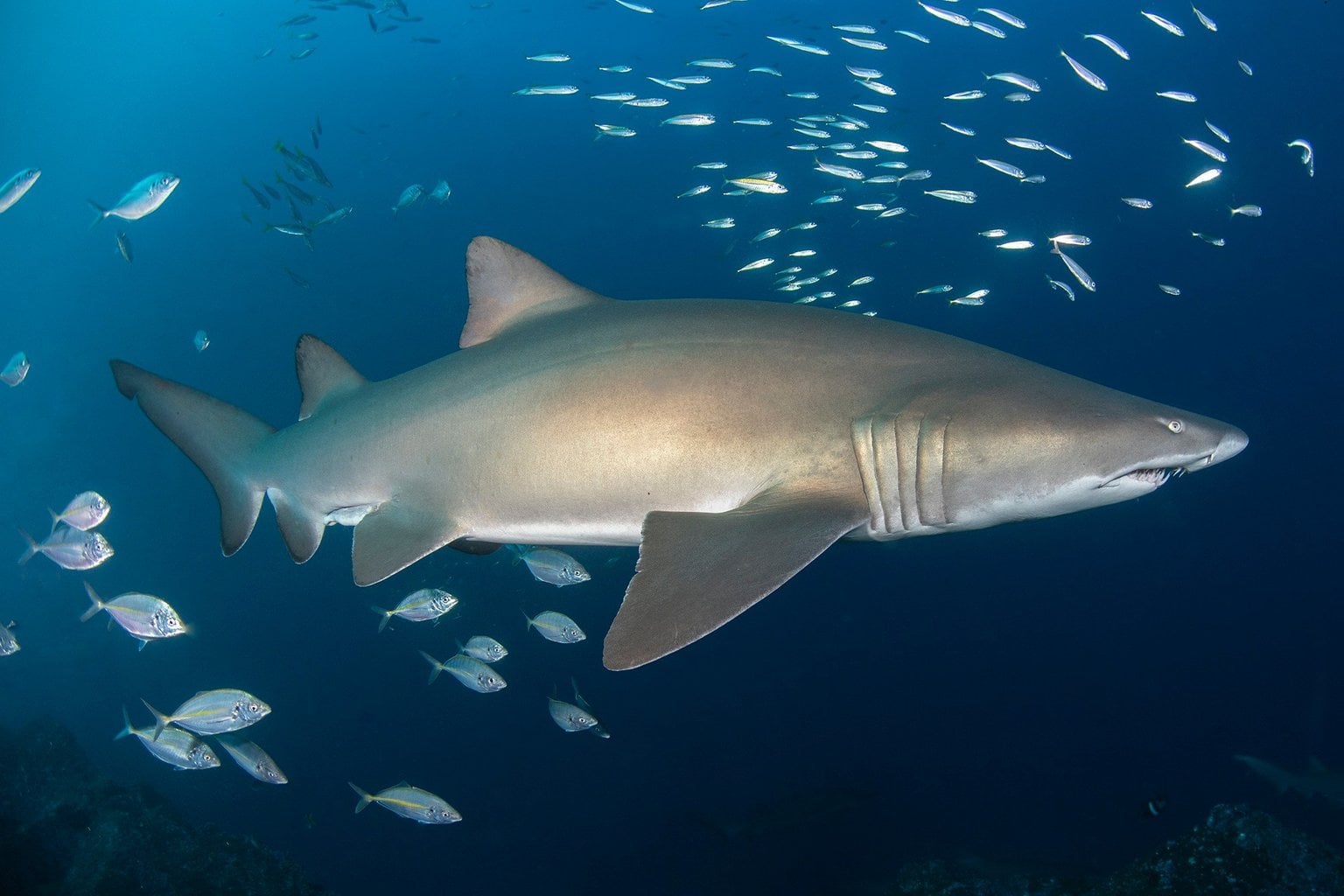
The upgraded tool tracks 21 measures of reef health, including populations of sharks and rays, crown-of-thorns starfish and sea urchins.
A new feature allows users to explore long-term changes in reefs, with some sites monitored continuously since the 1990s.
Users can view changes at different scales, from individual protected areas through to regional, national and global trends.

The interactive tool is available for anyone to explore online at reeflife.org/explorer.